China's textile industry, rooted in centuries of history, is undergoing a dynamic transformation. From cultural heritage to cutting-edge innovation, the sector is weaving a new narrative of growth and influence on the global stage. Here's how tradition and modernity are converging to create a powerful force in the industry.
A Historical Legacy with Cultural Significance
Weaving the Threads of Civilization
Textiles date back to China's Neolithic era, with early examples like grass-weave sandals and bark clothing reflecting the deep integration of fabric into Chinese culture.
Beyond utility, textiles embody cultural symbols, as seen in phrases like "dressed for propriety" and "returning home in glory."
The revival of traditional garments, such as ma mian skirts, highlights the modern embrace of heritage in contemporary design.
Bridging East and West
Historically, Songjiang cotton was a prized export via the Maritime Silk Road, adorning European elites. Today, textile companies from Keqiao bring original designs to Milan Fashion Week, continuing the tradition of cultural exchange.
Technology as a Catalyst for Change
Innovation on the Olympic Stage
High-tech textiles from Shaoxing supported athletes at the Olympic Games with advanced nanotechnology and water-resistant materials.
Innovations extend beyond sportswear. Examples include carbon fiber for bicycles and nanotech cooling fabrics, blending textiles with cutting-edge science.
A Complete and Competitive Supply Chain
China's textile industry boasts an unmatched end-to-end supply chain. Regions like Keqiao lead in both production and design, enhancing global competitiveness.
Economic Contributions Through the Ages
Foundation of Modern Industry

In the late 19th century, Shanghai's textile industry was pivotal in China's industrialization, laying the groundwork for modern business management and labor markets.
Textile factories were early adopters of reforms that shaped China's broader industrial landscape.
Export Powerhouse and Reform Pioneer
Post-1978, the industry spearheaded China's economic reform with innovative models like "processing and compensation trade," generating significant foreign exchange.
Restructuring initiatives, such as spindle reduction, set benchmarks for state-owned enterprise reforms.
New Challenges, New Opportunities
From Manufacturing to Creative Industry
Events like Keqiao Fashion Week showcase the shift toward creativity and branding, with international designers collaborating on innovative projects.

Designers like Gao Jing are redefining traditional crafts, blending Hunan embroidery with modern aesthetics to elevate textile artistry.
Globalization and Technological Upgrades
Amid fierce global competition, Chinese textile companies are climbing the value chain through innovation. Wuxi No. 1 Cotton Mill exemplifies this by embracing automation to maintain global leadership.
China's textile industry is more than just a legacy of the past; it's a symbol of innovation and resilience. From its role in shaping ancient civilization to its modern advancements in science and design, the sector has consistently woven new possibilities. As it strides into the future, this "old industry" is emerging as a driving force of cultural pride and technological strength on the world stage.
Spunlace Supplier
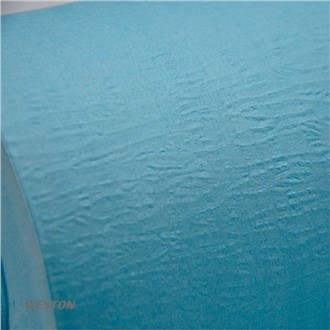
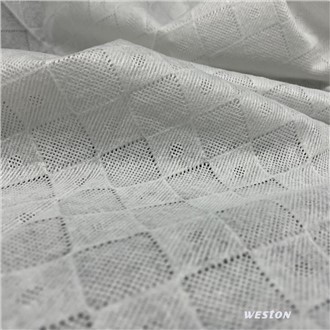
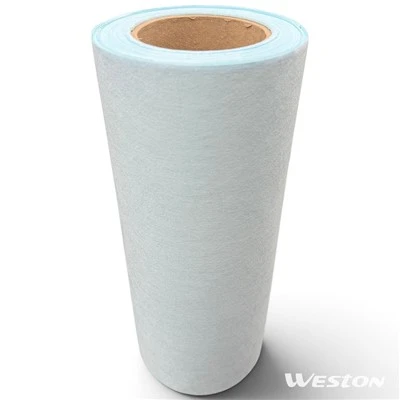
As a trusted spunlace supplier, Weston Nonwovens is committed to delivering consistent quality and performance. The company sources premium raw materials, ensuring that each product meets stringent industry standards. Their dedication to excellence makes them a preferred partner for businesses seeking reliable spunlace solutions.