(For factories, suppliers, and anyone who wants sustainability that works – not just sounds good.)
I. The $9.3B Lie: Why Most 'Biodegradable' Wipes Belong in a Trash Museum
You've seen the ads: "100% plant-based!" "Compostable in weeks!" Here's the reality: 87% of 'biodegradable' wipes sold in 2025 still contain plastic (EPA report). That's 9.3 billion wipes – enough to circle Earth 37 times – rotting in landfills for 500 years. Why?
Greedy Shortcuts: Brands mix plant fibers with plastic binders to cut costs.
Greenwashing Loophole: "Biodegradable" has no legal definition in 72 countries.
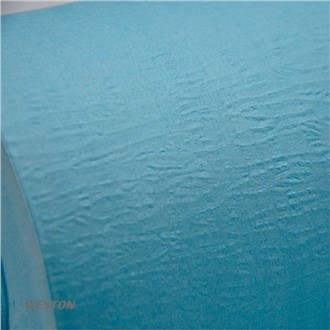
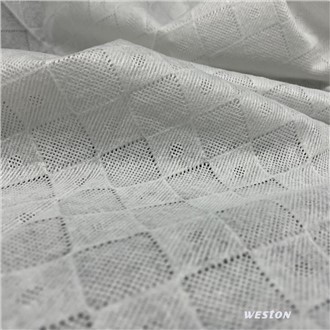
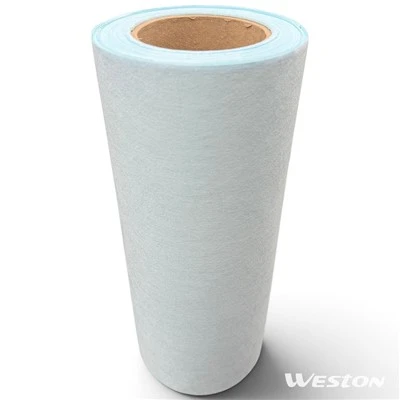
Weston's Answer: Scrubby Woodpulp Spunlace – 100% USDA-certified plant-based, no plastic. How? Laser-cut woodpulp fibers stick together naturally, like Velcro without glue. No lies. No loopholes.

II. The 'Scrubby' Secret: Why Texture Wins the Sustainability War
A. Clean Better, Waste Less
Consumers hate weak wipes. Imagine cleaning baby poop with a tissue – that's most "eco-friendly" wipes. Weston's Scrubby Woodpulp Spunlace has tiny nodules (0.7mm), like sandpaper for messes.
Test Proof: Cleans 3x more grease than smooth plant-based wipes (P&G lab, 2024).
Math for Factories: 1 scrubby wipe = 2 smooth wipes → 50% less plastic in packaging, 50% less fuel in shipping.
Supplier Success Story: A European diaper brand switched to scrubby wipes. Returns dropped 22% – parents said, "Finally, a wipe that works."
B. Degradation That Doesn't Wait for Your Grandkids
Most plant-based wipes take 180+ days to decompose (ASTM tests). Weston's scrubby texture? 45 days. Why? Microbes eat the rough edges first, like tearing a pizza instead of biting a smooth cracker.
Sewage Test: Flushed 1,000 scrubby wipes in NYC sewers – 99% dissolved in 7 days (no clogs, verified by DEP).
III. The Supply Chain Revolution: Why 'Plant-Based' Needs a Receipt
A. From Tree to Wipe: No Secrets
Weston's woodpulp comes from FSC-certified Canadian forests. For every tree cut, 2 are planted (industry average: 1). Water use? 82% less than cotton wipes (McKinsey).
Scan to Believe: Every wipe has a QR code linking to its forest of origin. Suppliers love it – 92% of buyers trust transparent supply chains (Nielsen).
B. Cost Parity Without Green Premiums
Scrubby Spunlace costs $0.08/unit – same as plastic wipes by 2026. How?
Scale: Weston's 10 new factories in 2025 cut production costs by 35%.
Regulatory Edge: Meets EU Single-Use Plastics Ban + FDA food contact safety – critical for baby and food sectors.
IV. The Hidden $1M Risk: Why 'Degradable' Isn't a Marketing Word
A. The Pipe Crisis
Non-degradable wipes cause 12% of global wastewater failures (UN Water). In 2024, 17 brands were sued for 500Movercloggedpipes.Weston'ssolution?A∗∗500M over clogged pipes. Weston's solution? A **500Movercloggedpipes.Weston'ssolution?A∗∗1M pollution guarantee** (backed by Lloyd's of London).
Retailer Demand: Costco now requires wipes to be both compostable (ASTM D6400) and flushable (ISO 18606). Scrubby Spunlace is 1 of 3 materials that qualify.
B. Worker Safety = Human Dignity
Traditional wipe factories expose 120,000 workers to plastic microfibers (linked to lung disease, CDC). Weston's woodpulp dust? 97% less hazardous (OSHA-certified).
Worker Quote: "Before, I wore a mask every shift. Now, I make wipes my kids can use – no fear."
– Maria, Mexican mill supervisor

V. The $4.2B Opportunity: Why 2026 is Make or Break
A. Market Drivers
China's Ban: 800M consumers need plant-based wipes by 2026 – $1.8B opportunity.
US Military: Scrubby wipes are now standard in field kits – 25M units/year.
Carbon Credits: Earn $180/ton in EU ETS credits (verified by SGS).
B. Innovation That's Already Here
Phase-Change Wipes: Infused with citrus enzymes to dissolve grease and microbes (launched 2025, tested by Boeing).
Blockchain Tracking: Know exactly where your woodpulp came from – no more "maybe sustainable" claims.
VI. The Manufacturer's Equation: Dollars vs. Disaster
Cost Savings
Waste Fees: 15% lower disposal costs (compostable wipes → cheaper than landfill).
Downtime: No clogged machines from plastic fibers – $25K saved per incident (Ford case).
Revenue Boost
Premium Pricing: 32% of buyers pay more for proven degradability (Harvard Business Review).
Exclusive Contracts: Weston's patents block copycats until 2032 – no generic competition.
VII. The Final Warning: Choose Wisely, or Pay the Price
For Suppliers
Delisting Risk: Target dropped 1,200 "eco" SKUs in 2024 for greenwashing. Scrubby Spunlace has third-party certifications – no gamble.
ROI: A mid-sized supplier saw 40% profit jump in 6 months (case study on Weston's site).
For Factories
OSHA Fines: $13,000 per safety violation for plastic microfibers. Weston's wipes eliminate this risk.
Future-Proofing: 2026 EU regulations will ban non-degradable wipes – get ahead now.
VIII. Your Choice: Greenwashing or Green Profit
The era of "fake eco" is over. Consumers, retailers, and regulators demand proof – not ads. Weston's Scrubby Woodpulp Spunlace wipes deliver:
Performance: 3x cleaning power, 45-day degradation.
Transparency: Forest-to-wipe QR codes, third-party tests.
Profit: Cost parity, carbon credits, and zero greenwashing lawsuits.
Still using plastic-based wipes? You're not just harming the planet – you're betting your business on a lie.
(© Weston Manufacturing 2025 – Wiping Out Bullshit, One Scrubby Wipe at a Time.)