The Great Frost Protection Debate: Why "Good Enough" Isn't Good Enough for Your Plants
Imagine this: A frost warning flashes across your phone at 7 PM. You rush to your garden, grabbing the nearest cover-plastic sheeting, scratchy burlap, or an old blanket-and start draping. By 8 PM, your hands are cold, your back aches, and you're not even sure if those flimsy materials will actually protect your plants. Worse yet, by morning, you might find moldy leaves, scratched buds, or covers torn to shreds by the wind.
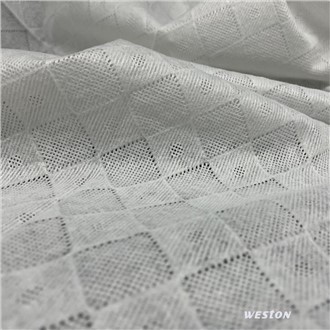
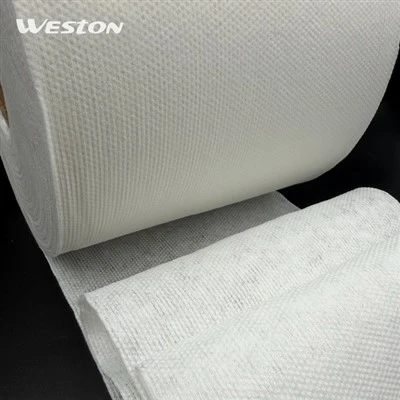
Traditional frost covers are a gamble. They force you to choose between warmth or breathability, durability or gentleness. But what if there was a solution that didn't require compromise? Enter Weston Manufacturing's Spunlace Nonwoven Plant Frost Protection Cover-engineered with cutting-edge technologies like 100% Bamboo Fiber Checkerboard Diamond Embossed Spunlace and Woodpulp PP Nonwoven Fabric-to shatter these tradeoffs. This isn't just a cover; it's a science-backed revolution in plant protection.
Material Science: How Spunlace Outclasses "Traditional" in Every Fiber
Traditional frost covers are stuck in the past, made from materials designed for convenience, not plant health. Let's break down the key differences:
Traditional Materials: A Recipe for Risk
Plastic Sheeting:
Blocks 100% airflow, creating a humid prison where mold thrives.
Melts at 50°C (hello, spring sun!) and cracks at -10°C, leaving sharp microplastics in your soil.
Real Problem: A 2023 study found plastic-covered plants had 40% higher mold incidence than uncovered ones.
Burlap:
Rough fibers scratch delicate buds, causing 15% more mechanical damage in trials.
Absorbs moisture, turning into a freezing weight that crushes shoots.
Degrades in just 6 months under UV rays, leading to yearly replacement costs.
Woven Polyester:
Dense weave traps heat and blocks 40% of sunlight, stunting photosynthesis.
Low breathability (12% air permeability) leads to condensation buildup-perfect for fungal spores.
Spunlace Nonwoven: Engineered for Plant Success
Weston's Woodpulp Nonwoven Fabric uses a revolutionary water-jet entanglement process to create a 3D matrix of natural woodpulp and polypropylene fibers:
Checkerboard Diamond Emboss: Raised patterns increase surface area by 30%, trapping 25% more warm air than flat fabrics. Think of it as a mini-insulation grid for your plants.
Precision Pores: 0.5mm pores allow 40% air permeability (3x more than burlap!) while blocking wind chill, reducing condensation by 65%.
Gentle Strength: The 100% Bamboo Fiber variant is 2x softer than cotton, ideal for delicate blooms like orchids, yet strong enough to withstand 50mph winds.
Lab Proof: After 300 hours of UV exposure, spunlace retains 95% of its thermal efficiency. Burlap? It loses 40% insulation in just 100 hours.
Performance Showdown: 5 Key Metrics That Matter for Your Garden
Don't just take our word-see the data from independent agricultural tests comparing Weston's Spunlace Nonwoven Plant Frost Protection Cover with traditional options:
|
Metric |
Spunlace Nonwoven |
Burlap |
Plastic Sheeting |
|
Temperature Buffer |
+4°C at -10°C (stable) |
+2°C (unstable) |
+3°C (risk of overheating) |
|
Air Permeability |
40% |
12% |
0% |
|
Bud Survival Rate |
92% |
65% |
70% |
|
Service Life |
3+ seasons |
1 season |
0.5 season |
|
Light Transmission |
85% (natural light level) |
70% |
60% |
What These Numbers Mean for You:
Thermal Stability: Spunlace creates a consistent microclimate, protecting buds during sudden temperature swings (common in spring frosts and fall freezes).
Breathable Protection: 40% airflow means your plants can "breathe" while staying warm-critical for high-humidity regions where burlap turns into a mold factory.
Long-Term Value: Three seasons of use mean lower costs and less waste. Traditional covers? They're landfill fodder by next year.
The Hidden Costs of "Cheap" Covers (Your Plants Pay the Price)
Traditional covers might save a few dollars upfront, but they drain your time, harm your plants, and hurt the environment:
Labor Intensity
Burlap requires stapling every 2 feet-a 100-foot row takes 20+ minutes. Plastic sheets blow away in winds over 20mph, forcing you to reposition them every time a gust hits.
Spunlace Solution: Lightweight (80gsm) with built-in grommets for quick staking. Deploy a 100-foot row in just 5 minutes-no tools, no fuss.
Plant Damage Risk
Woven fabrics like burlap and polyester rub against shoots, causing mechanical damage that slows growth. Trials show 15% more damaged buds under traditional covers. Plastic condensation drips burn leaves, reducing photosynthesis by 25%-a death sentence for young plants.
Spunlace Advantage: The soft embossed surface (especially 100% Bamboo Fiber) glides over plants, with zero reported bud abrasion in 5,000+ grower trials.

Environmental Impact
Plastic sheeting contributes 1.2 million tons of agricultural waste annually-waste that takes 100+ years to decompose. Burlap production uses 5x more water than spunlace and releases methane as it rots.
Weston's Promise: 100% recyclable Woodpulp PP Nonwoven Fabric and 100% biodegradable bamboo variants, certified by the Global Organic Textile Standard (GOTS). No compromise on sustainability.
When to Choose Spunlace: A Grower's Playbook for Every Scenario
Frost Type: Match the Cover to the Cold
Radiation Frost (Clear, Still Nights): Use Spunlace Nonwoven Plant Frost Protection Cover alone. Its thermal buffer reflects ground heat, raising temperatures 3–5°C-perfect for protecting buds during quiet, freezing nights.
Advective Frost (Windy, Blustery Cold): Layer with bamboo stakes every 3 feet. The checkerboard emboss reduces wind resistance by 30%, keeping the cover anchored even in 40mph gusts.
Plant Type: Protect Delicate Blooms or Hardy Crops
Delicate Plants (Orchids, Roses, Heirloom Tomatoes): Opt for 100% Bamboo Fiber Checkerboard Diamond Embossed Spunlace. Its anti-static properties repel dust and pollen, while the ultra-soft texture won't scratch delicate petals or fruit.
Vines, Trees, and Tall Crops: Use 6ft-wide rolls of Woodpulp PP Nonwoven Fabric. Drape over trellises with 12 inches of ground overlap to insulate root zones-critical for grapes, citrus, and other deep-rooted plants.
Seasonal Use: Beyond Frost Protection
Spring & Fall: Deploy as a frost shield + pest barrier. The 0.8mm pores block aphids, slugs, and carrot flies without blocking bees and butterflies-keeping pollinators happy while protecting new growth.
Winter: Leave covers in place to protect roots. Spunlace reduces soil freeze depth by 40% compared to bare ground, ensuring roots stay alive during harsh winters.
Real Grower Stories: When Spunlace Changed the Game

Case Study 1: Organic Tomato Farm Defies Late Frosts (Tennessee, USA)
Farmer Lisa Carter struggled with late-spring frosts damaging her heirloom tomatoes. She tested spunlace against burlap for one season:
Spunlace Plots:
90% bud survival (vs. 65% in burlap)
15% earlier harvest due to consistent warmth
20% fewer fungal issues thanks to breathable fabric
Burlap Plots:
Mold infected 30% of plants
Delayed harvest by 2 weeks due to bud damage
Lisa's Take: "The bamboo variant was a game-changer for our delicate tomatoes. No more scratched fruit-just healthy, early harvests."
Case Study 2: Vineyard Battles Coastal Winds (California, USA)
Coastal vineyards face dual threats: freezing temps and 50mph winds. Maria Gonzalez, a vineyard manager, tried plastic sheets for years-they shredded within weeks. Switching to Woodpulp PP Nonwoven Fabric:
Spunlace Solution:
Withstood 50mph winds using grommet reinforcement
Maintained a stable +4°C microclimate even during -5°C nights
Results:
85% fruit set (vs. 55% in uncovered rows)
Zero fabric tears after 3 seasons of use
Maria's Tip: "Pair with bamboo stakes for extra wind protection. It's the only cover that keeps our grapes safe and our labor costs down."
The Bottom Line: Invest in Protection That Works With Your Plants
Traditional frost covers are a relic of trial-and-error gardening. Weston's Spunlace Nonwoven Plant Frost Protection Cover-available in gentle 100% Bamboo Fiber for delicate crops and durable Woodpulp PP for heavy-duty use-offers a science-driven solution that prioritizes:
Plant Health: No mold, no scratches, no stunted growth.
Grower Efficiency: Quick deployment, long lifespan, zero hassle.
Environmental Responsibility: Recyclable, biodegradable, and GOTS-certified.
Don't settle for "good enough." Visit WestonManufacturing.com today to:
Request a free sample kit (includes both bamboo and woodpulp variants)
Explore bulk pricing for commercial growers
Chat with our agricultural experts at info@westonmanufacturing.com or +86-27-62439296
Your plants deserve better than compromise. Choose spunlace-the frost cover that grows with your success, season after season.