In the busy rhythm of daily life, a clean kitchen is more than a neat appearance-it is a frontline defense against foodborne illness. The science is clear: routine surface hygiene reduces microbial load, lowers cross-contamination risk, and supports safer meal preparation.
This article presents a concise, science-based protocol that turns everyday wiping into a reliable, repeatable safety habit. The goal is not perfection but establishing a simple, auditable routine that fits real-world kitchens-from family homes to small commercial settings.
1. Cleaning vs. Sanitizing: Know the Difference
|
Process |
What It Does |
Purpose |
When to Apply |
|
Cleaning |
Removes visible debris, grease, and soil |
Creates an optimized surface for sanitizing; prevents soil from blocking active ingredients |
Always first step in any hygiene routine |
|
Sanitizing |
Reduces viable microbes to safe levels for food-contact surfaces |
Minimizes cross-contamination and foodborne illness risk |
Applied after cleaning, using food-safe wipes with proper dwell time |
2. Understanding Food-Safe Wipes: What, Why, and How
What Makes a Wipe "Food-Safe"?
Food-safe wipes are designed for surfaces that may contact food. They carry regulatory affirmations ensuring they do not leave harmful residues when used as directed.
Why Chemistry Matters
Active ingredients are selected to balance:
Rapid microbial reduction
Human-contact safety
Compatibility with common kitchen materials
How to Use Food-Safe Wipes Effectively
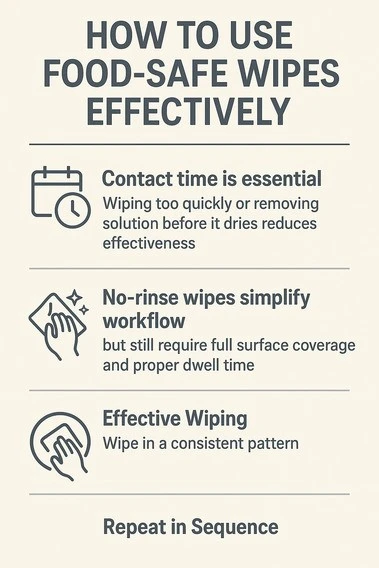
Contact time is essential. Wiping too quickly or removing solution before it dries reduces effectiveness.
No-rinse wipes simplify workflow but still require full surface coverage and proper dwell time.
Weston Insight
Reputable nonwoven manufacturers optimize substrate structure to ensure:
Better absorbency
Stronger wiping performance
More consistent chemical delivery
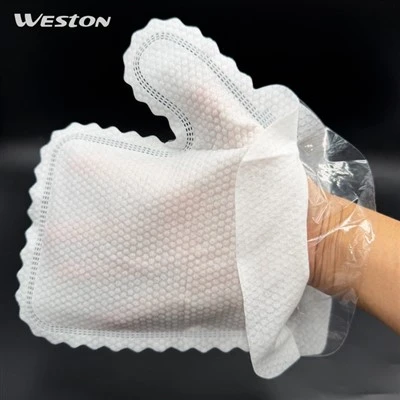
Sturdy substrates support reliable hygiene routines. Relevant product families include Food Contact Safe Absorbent Pads, Kitchen Wet Wipes, and Food Safe Cleaning Wipes.
3. Practical Wiping Routine
Step 1: Identify Surface Type
Nonporous (steel, sealed counters, glass) → Step 2
Porous (wood boards, unsealed wood) → Step 2 with adapted handling
Step 2: Choose the Wipe
Select a food-safe wipe with proper claims and dwell time
Prioritize wipes with certifications for food-contact surfaces
Step 3: Apply and Dwell
Wipe in a consistent pattern
Maintain full contact for recommended time
Step 4: Dry and Inspect
Let the surface dry completely
Re-treat if streaks or residue remain
Step 5: Sanitize & Log
For multi-step workflows, log the sanitizing step for accountability
Step 6: Repeat in Sequence
Always move from higher-risk zones to lower-risk areas to avoid re-contamination

4. Head-to-Toe Wipe-Down Protocol
Pre-Cleaning
Remove visible soil, grease, crumbs-preventing microbial shielding.
Coverage Strategy
Wipe from the back/edge toward prep zones, covering every square inch.
Include high-touch points:
Faucet handles
Knobs & dials
Cabinet pulls
Surface-Specific Timing
High-contact surfaces: allocate 2–3 minutes for contact time
Daily routines: shorter cycles are acceptable if consistent
Porous Surfaces
Use gentler chemistry and avoid oversaturation to preserve material integrity.
Post-Wipe Checks
Ensure surfaces are dry-lingering moisture may promote microbial regrowth.

5. Surface-Scoped Hygiene Priorities
Cutting boards & knives: highest risk; wipe and sanitize after raw protein contact
Countertops: wipe systematically from clean → dirty zones
Handles & controls: major microbial transfer points
Appliance interiors: use compatible wipes to prevent corrosion
Between-task intervals: perform short wipes between cooking stages
6. Choosing the Right Wipe: What to Look For
Certifications & Claims
Explicit food-contact safety
EPA registration (where applicable)
NSF/ANSI certifications
Ingredient Transparency
Prefer clear, safe formulations without unnecessary additives.
Performance Factors
Absorbency
Streak-free performance
Compatibility with kitchen materials
Environmental & User Safety
Consider disposal method, skin sensitivity, and packaging.
Weston Insight
Nonwoven substrate design influences:
Chemical distribution
Wiping comfort
Efficiency under heavy use
Reinforced keywords: Food Contact Safe Absorbent Pads, Kitchen Wet Wipes, Food Safe Cleaning Wipes.
7. Common Mistakes That Undermine Hygiene
Over-wetting surfaces
Using non-food-safe products on prep zones
Ignoring dwell time
Forgetting high-touch areas
Inconsistent cleaning routines
8. Integrating Wipes into a Bigger Safety System
Hand hygiene
Separated cutting boards (raw vs. ready-to-eat)
Proper waste disposal
Temperature monitoring
Simple wipe logs for accountability (especially in small businesses)