Dry to Trap, Damp to Conquer: The Science of Smarter Dusting
Dusting may seem simple, but if you've ever wondered whether to use a wet or dry microfiber cloth, you're not alone. The answer isn't a matter of opinion-it's science. Understanding the nature of dust and how microfiber works can make your cleaning faster, more effective, and even safer for your surfaces.

What Makes Microfiber Cloths Special?
Microfiber cloths aren't ordinary cleaning cloths. Their fibers are thousands of times thinner than a human hair, creating millions of tiny spaces that trap dust, dirt, and even bacteria. Think of them like a magnet for particles. Compared to cotton or traditional cloths, microfiber picks up more dust with less effort and leaves minimal lint behind.
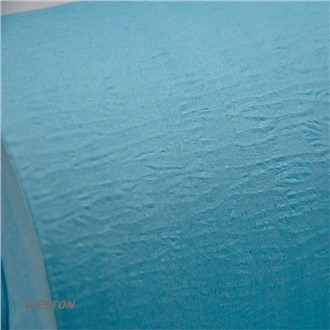
A high-quality microfiber cloth, like Weston Nonwoven Microfiber Car Cloths, offers consistent performance for a variety of surfaces-wood, glass, electronics, or even car interiors-making dusting far more efficient than ordinary rags.
Dry Microfiber Cloths: Light Dusting Made Easy
Dry microfiber cloths are perfect for light dusting. They rely on static electricity and their dense fibers to attract and hold particles. This makes them ideal for:
Shelves, picture frames, and blinds
Electronics and screens (safe when dry)
Surfaces with loose, dry dust
Pros: Quick, no water needed, safe on sensitive surfaces.
Cons: Not effective for sticky residues or grime.
Wet Microfiber Cloths: Tackling Grime and Stickiness
Dampening a microfiber cloth with water transforms it into a more versatile cleaning tool. Wet microfiber lifts stubborn dirt, fingerprints, and sticky residues that dry dusting cannot handle. The moisture helps the fibers grab particles more effectively and reduces airborne dust.
Pros: Deeper cleaning, reduces dust scattering, works on sticky surfaces.
Cons: Can streak if too wet, not ideal for electronics unless slightly dampened.
Choosing the Right Approach: Context is Key
The truth is, neither wet nor dry microfiber is universally better. The choice depends on:
Dust type: Dry for loose dust, wet for sticky grime
Surface sensitivity: Use dry on electronics
Cleaning goal: Light maintenance vs. deep clean
Here's a simple visual comparison

Practical Tips for Microfiber Use
Start dry for light dust; switch to damp for stubborn grime.
Wash microfiber regularly to maintain performance.
Avoid fabric softeners-they coat fibers and reduce cleaning efficiency.
Store cloths dry to prevent mildew.
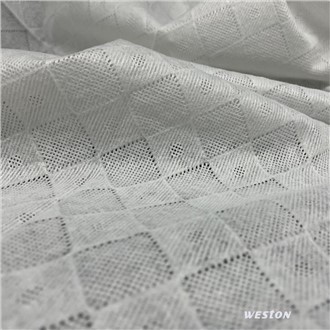
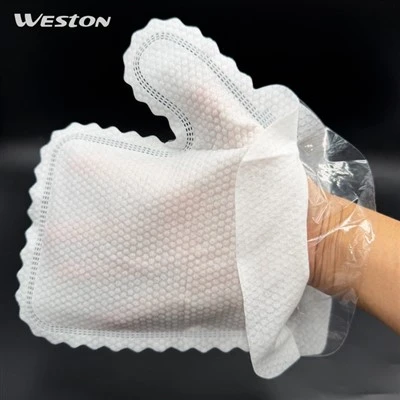
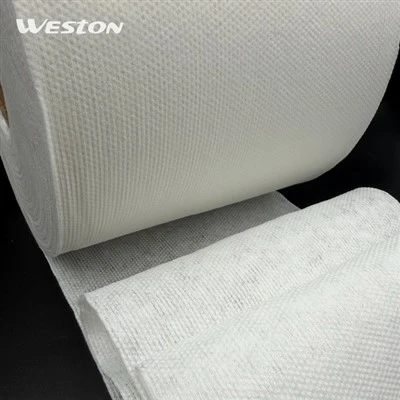
High-quality microfiber, like Weston Nonwoven 12x12 Microfiber Spunlace Pads, ensures durability and performance even after multiple washes, making them an investment in both cleanliness and sustainability.
Beyond Cleaning: Eco-Friendly Benefits
Microfiber reduces reliance on chemical cleaners and disposable wipes. Choosing long-lasting microfiber products saves resources and lowers environmental impact. Investing in Weston Nonwoven microfiber products helps keep your home clean while supporting more sustainable practices.
So, should you dust with a wet or dry microfiber cloth? It depends on your surface, the type of dust, and your cleaning goal. Dry microfiber works wonders for routine dusting, while damp cloths handle sticky or stubborn dirt. And remember, high-quality options like Microfiber Car Cloths and 12x12 Microfiber Spunlace Pads make the process easier, more effective, and longer-lasting.
Next time you grab your microfiber cloth, you'll know exactly how to use it-efficiently, safely, and sustainably.