Ever grabbed a soft, breathable garment or skincare wipe and wondered, "Is this natural, synthetic, or something in between?" If "lyocell" was on the label, you're not alone in the confusion. We're conditioned to split fabrics into two boxes: "natural (good, plant-based)" or "synthetic/artificial (bad, plastic-based)." But lyocell smashes that outdated binary-and it's high time we stop asking "which side is it on" and start celebrating what makes it unique. Spoiler: It's neither synthetic nor artificial. It's a regenerated fiber-nature's raw material upgraded by science, and it's redefining what fabrics can be.
First: Let's Ditch the Jargon
Before we dive in, let's clear up the terms that trip everyone up. No boring lectures-just a straight-talk comparison to keep you grounded:
|
Fabric Type |
Core Definition |
Examples |
Key Trait |
|
Synthetic |
Made entirely from man-made chemicals (no natural base) |
Polyester, nylon, spandex |
Lab-created from scratch; often non-biodegradable |
|
Artificial |
Vague, outdated term for "fake naturals" |
Early rayon |
Tries to copy natural fabrics but cuts corners on sustainability |
|
Regenerated |
Natural raw materials processed to be stronger/softer |
Lyocell, modal (lyocell's cousin) |
Nature's foundation + human ingenuity; eco-friendly by design |
Bold truth: Lyocell isn't "artificial"-it doesn't fake nature. It's not "synthetic"-it doesn't come from petroleum. It's nature, but better.
How Lyocell Is Made: Nature + Science (No Plastic Involved)
Lyocell's magic starts with a surprisingly simple raw material: wood pulp (usually from sustainably harvested eucalyptus, beech, or bamboo). The process is clean, efficient, and nothing like making synthetic or old-school artificial fibers. Here's a no-nonsense breakdown:
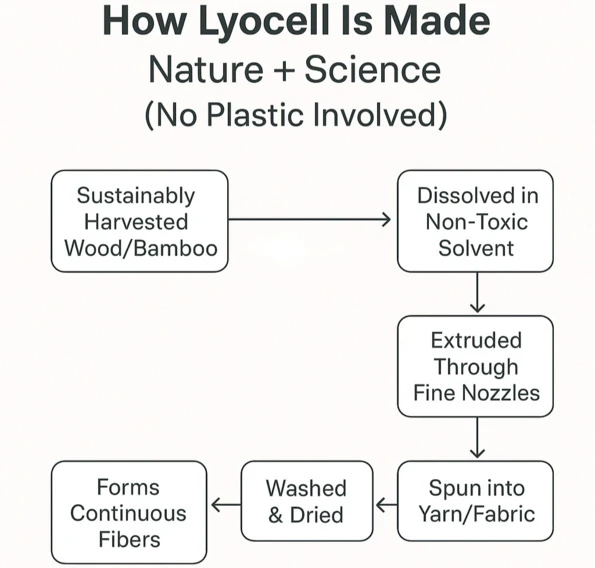
The game-changer? Most lyocell production uses a closed-loop system, where 99% of the solvent is reused. No toxic runoff, no wasted water (it uses 10x less water than cotton!), and no plastic byproducts. This is why lyocell feels like a breath of fresh air-literally and figuratively. It's soft like silk, breathable like cotton, and durable like linen-without the downsides of synthetic stiffness or artificial fragility.
Why the "Synthetic vs. Artificial" Question Is Outdated
We're stuck on this binary because it's easy-but easy doesn't equal accurate. The real measure of a fabric isn't natural or man-made-it's how it's made and what it leaves behind. Lyocell crushes the competition here:
It's biodegradable (unlike synthetics, which linger in landfills for centuries).
It's non-irritating (unlike some artificial fibers that use harsh dyes/chemicals).
It's versatile (works for clothing, bedding, skincare products, and more).
Think of it this way: Asking if lyocell is synthetic or artificial is like asking if a hybrid car is gas or electric. You're missing the innovation that makes it better for everyone.
Common Lyocell Myths (Busted!)
Let's shut down the misinformation that keeps people confused:
Myth: Lyocell is just "fancy rayon."
Fact: Early rayon (artificial) used toxic carbon disulfide; lyocell uses non-toxic NMMO solvent. Big difference.
Myth: It's synthetic because it's "processed."
Fact: All fabrics are processed (cotton is dyed, wool is cleaned). Processing doesn't make something synthetic-it's the starting material that matters.
Myth: It's not sustainable because it's "man-made."
Fact: Closed-loop lyocell uses 99% reused solvent and 1/10 the water of cotton. It's one of the most sustainable fabrics on the market.
Lyocell in Action: Where You'll Find It (And Why It Matters)
Lyocell's unique mix of softness, strength, and sustainability makes it perfect for:
Apparel (dresses, leggings, shirts)-wrinkle-resistant and breathable.
Home textiles (sheets, towels)-absorbent without feeling heavy.
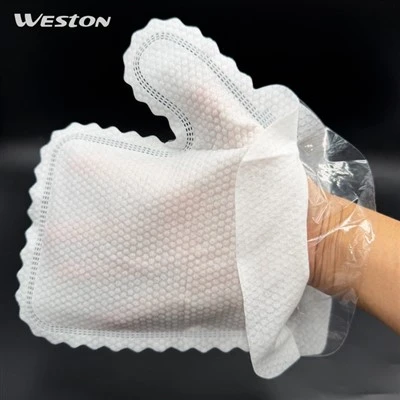
Personal care (face masks, wipes)-gentle on sensitive skin, biodegradable.
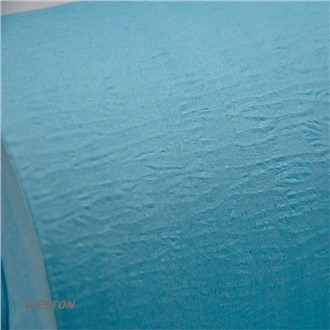
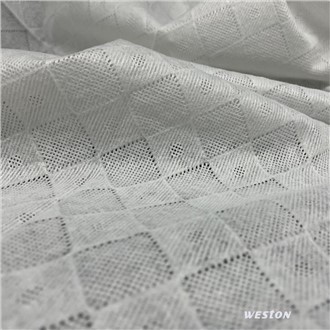
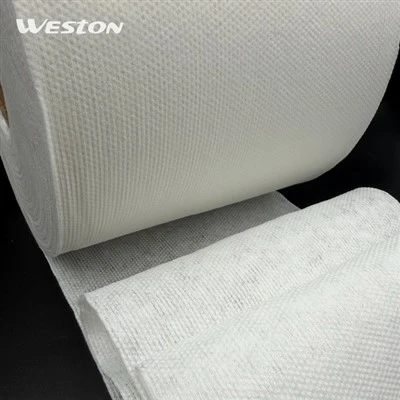
This versatility is why forward-thinking manufacturers are leaning into lyocell-and why Weston Nonwoven has crafted specialized solutions for these use cases: Bamboo Lyocell Nonwoven Jumbo Roll for large-scale production, High-friction Lyocell Spunlace Fabric for durable, functional applications, and Bulk Lyocell Compressed Mask Pellets for skincare brands prioritizing eco-friendliness. Curious to test the difference? Request a free sample at info@westonmanufacturing.com.
The Bottom Line: Lyocell Is the Future (And It's Here Now)
Lyocell isn't just a "middle ground" fabric-it's a better way. It proves we don't have to choose between nature and innovation, between softness and sustainability. The next time you see "lyocell" on a label, skip the "synthetic or artificial" debate. Instead, think: "This is what happens when we stop forcing nature into boxes and start working with it."
Whether you're a consumer looking for better fabrics or a brand seeking sustainable solutions, lyocell is the answer. And with specialized options like those from Weston Nonwoven, it's easier than ever to make the switch.
Want to experience lyocell's magic for yourself? Reach out for your free sample today at info@westonmanufacturing.com-and join the fabric revolution.