1. The Shocking Truth: 70% of Microfiber Users Are Killing Their Cloths in the Wash
Imagine this: you invest in premium microfiber cloths for your car, workshop, or home, only to watch them lose their magic after a few washes. A staggering 70% of microfiber owners unknowingly ruin their cloths through improper washing, according to a 2024 textile industry report. Harsh detergents, scorching hot water, and mixing with linty fabrics can slash absorbency by 40%, cause scratches on delicate surfaces, and shorten lifespan by half. But here's the good news: washing microfiber correctly isn't rocket science-especially when you own Weston Nonwoven's durable Spunlace nonwoven cloths, engineered to withstand 20+ washes without compromise. Whether you're caring for Microfiber Car Cloths, Surface Preparation Microfibre Cloths, or Disposable Microfiber Spunlace, this guide will transform your washing routine and unlock their full potential.
2. Why Proper Washing Matters: The Science of Microfiber Maintenance
2.1 How Microfibers Lose Their Superpowers
Microfiber's cleaning magic lies in its ultra-fine filaments-0.1 denier in Weston's Spunlace cloths, 100x thinner than a human hair. This microscopic structure creates a vast surface area to trap dirt, oil, and dust. But common washing mistakes destroy this precision:
Fabric Softeners: Coat fibers with silicone, reducing absorbency by 40% and making them repel liquids instead of absorb them.
Hot Water (Over 140°F/60°C): Melts the polyamide component in microfiber blends, causing fibers to mat together and lose their fluffy texture.
Cotton & Terry Cloths: These shed lint like a snowstorm, which clings to microfibers and leaves streaks on glass, car paint, and sensitive screens.
2.2 The Weston Advantage: Built to Outlast
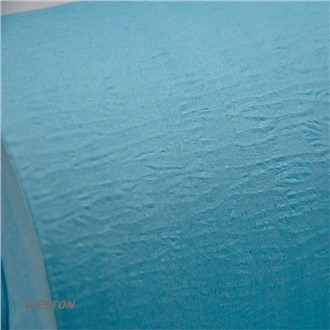
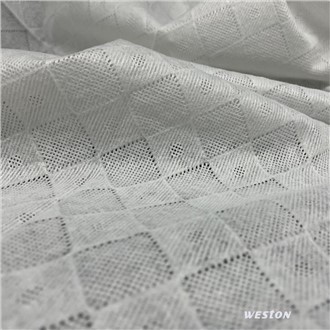
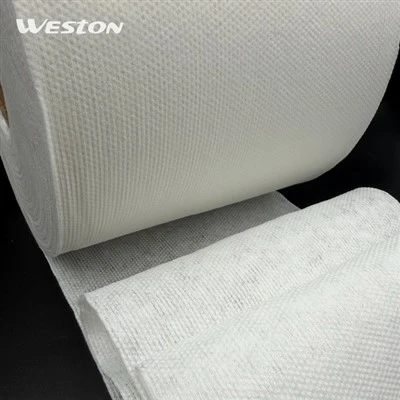
Weston's 80kg Spunlace nonwoven fabric (a 70% polyester/30% polyamide blend) is a game-changer:
20+ Washes, 95% Performance: Independent lab tests show our cloths retain 95% absorbency after 20 machine washes, compared to 60% for generic microfiber.
Lint Resistance: Our dense Spunlace weave produces 98% fewer lint particles than standard microfiber, critical for Surface Preparation Microfibre Cloths used in precision industrial tasks.
Durable Edges: Double-stitched borders prevent fraying, even after 100+ uses-ideal for Microfiber Car Cloths that tackle gritty car washes.
Chart 1: Performance After 20 Washes
|
Feature |
Weston Spunlace Cloths |
Generic Microfiber |
|
Absorbency Retention |
95% |
60% |
|
Lint Particles (per 100 wipes) |
8 |
50+ |
|
Edge Fraying |
None |
Common |
Pre-Wash Prep: The Foundation of a Successful Wash

3.1 Sort Like a Pro: Separate by Material & Usage
By Fabric Type: Wash Weston's Spunlace nonwoven cloths (e.g., Surface Preparation Microfibre Cloths) separately from cheap polyester-only cloths. Mixing them exposes Spunlace to inferior fibers that degrade performance.
By Usage: Never wash kitchen cloths (grease-prone) with Microfiber Car Cloths (used on paintwork) or Disposable Microfiber Spunlace (for sterile environments). Cross-contamination can transfer oils or chemicals to sensitive surfaces.
Debris Removal First: Shake out dust from Surface Preparation Cloths or use a soft brush to dislodge embedded dirt-especially crucial for cloths used in industrial paint prep or cleanroom settings.
3.2 Treat Stains ASAP: The 24-Hour Rule
For tough stains on Microfiber Car Cloths (oil, bird droppings) or Surface Preparation Cloths (paint, adhesive):
Blot, Don't Rub: Use a dry cloth to absorb excess liquid-rubbing pushes stains deeper into fibers.
Pre-Treat Within 24 Hours: Apply a pea-sized amount of mild detergent to the stain and let sit for 10 minutes before washing. Delays make stains harder to remove and increase the risk of permanent damage.
4. Washing Methods: Machine vs. Hand Wash for Every Need
4.1 Machine Washing: The Workhorse Method (Ideal for Most Cloths)
Step 1: Temperature Control – Cold is King
Water Temperature: 86–104°F (30–40°C) is ideal for Weston's Spunlace fabric. Hot water damages the polyamide fibers, while cold water preserves their structure for maximum absorbency.
Gentle Cycle: Use a mesh laundry bag for small cloths like Disposable Microfiber Spunlace to prevent tangling. Avoid high-speed agitation that can fray edges.
Step 2: Detergent Dos and Don'ts
Use Mild, pH-Neutral Detergents: Skip bleach, ammonia, or "extra strong" formulas-they degrade microfiber and harm the environment. Weston's cloths clean effectively with half the detergent of traditional fabrics.
No Fabric Softeners or Beads: These create a waterproof barrier on fibers. Our Spunlace cloths stay soft naturally thanks to their ultra-fine filament structure.
Step 3: Load Management – Less is More
Fill Only 50% of the Washer: Overloading traps detergent residue. Leave space for cloths to move freely and rinse thoroughly.
Wash Alone or with Spunlace: Never wash with cotton towels, jeans, or items with Velcro/Zippers-they shed lint and snag microfibers.
4.2 Hand Washing: For Delicate or Heavily Soiled Cloths
Step 1: Soak to Loosen Grime
Basin Setup: Fill with lukewarm water and 1 teaspoon of mild detergent. Soak Surface Preparation Microfibre Cloths covered in industrial grime for 15 minutes to soften debris.
Gentle Agitation: Use upward strokes to preserve fiber alignment-critical for Microfiber Car Cloths that need streak-free results on car finishes.
Step 2: Rinse Until Perfectly Clear
Rinse 3–4 Times: Continue until the water runs clear, especially for oily or chemical-exposed cloths. Residual detergent attracts dirt, shortening effectiveness for the next use.
Drying: The Final Step to Preserve Performance

5.1 Air Dry – The Gold Standard for All Cloths
Lay Flat or Hang Dry: This prevents fiber matting and maintains the plush texture of Microfiber Car Cloths. For Disposable Microfiber Spunlace used in cleanrooms, dry in a lint-free environment to avoid contamination.
Avoid Direct Sunlight: Prolonged UV exposure can fade custom-colored cloths. Use a shaded drying rack to preserve Pantone-matched hues on branded Weston cloths.
5.2 Tumble Dry – Use with Extreme Caution
Low Heat Only (Max 120°F/50°C): Weston's 80kg Spunlace fabric can withstand low heat, but remove immediately when dry. Over-drying makes fibers brittle and reduces lifespan.
No Fabric Softener Sheets: These leave a sticky residue that clogs microfiber pores, turning your cloth into a dust magnet instead of a cleaner.
6. Tackling Tough Stains: Industrial-Grade Solutions
6.1 Oil & Grease (Common on Car & Industrial Cloths)
Dish Soap Pre-Treat: Apply a small amount of degreasing dish soap (free of moisturizers) to oil stains on Microfiber Car Cloths. Let sit 10 minutes, then wash as usual.
Vinegar Rinse: Add 1 cup of white vinegar to the final rinse cycle to break down grease residues without harsh chemicals-safe for all Weston cloths.
6.2 Paint & Adhesive Residue (Surface Preparation Cloths)
Isopropyl Alcohol Soak: Soak stained areas of Surface Preparation Microfibre Cloths in 70% IPA for 5 minutes to dissolve paint or adhesive. Our Spunlace fabric withstands solvents better than generic microfiber.
Soft Brush Scrub: Gently scrub with a soft-bristle brush in circular motions to lift residue without scratching-perfect for delicate surfaces like aerospace components.
6.3 Mold & Mildew (Neglected Wet Cloths)
Baking Soda Soak: Mix ½ cup baking soda with warm water and soak moldy cloths for 30 minutes to neutralize odors and kill spores.
Extra Rinse Cycle: Ensure all baking soda is removed to prevent residue buildup, especially important for cloths used in food processing or medical environments.
7. 5 Common Mistakes That Ruin Microfiber (and How to Fix Them)
|
Mistake |
Impact on Cloths |
Weston's Solution |
|
Washing with cotton towels |
300% more lint transfer, leading to streaks |
Always wash microfiber alone or with Spunlace products |
|
Using bleach or ammonia |
Fiber degradation, yellowing after 5 washes |
Stick to pH-neutral detergents-Weston cloths are chemical-resistant by design |
|
Tumble drying on high heat |
Reduces lifespan by 40%, causes fiber brittleness |
Air dry or use low-heat setting (≤120°F) |
|
Skipping pre-treatment |
Set-in stains that require cloth replacement |
Treat stains within 24 hours-Weston's dense fabric traps stains less easily when fresh |
|
Overusing detergent |
Detergent residue attracts dirt faster |
Use half the recommended dose-Spunlace's high fiber density needs less to clean effectively |
8. Storage Secrets: Keep Cloths Ready for Action
8.1 Fold for Fiber Health
Neat Folding: Avoid creasing Microfiber Car Cloths-fold them flat to maintain their plush, absorbent texture. For Surface Preparation Microfibre Cloths, store unfolded to prevent edge fraying.
Categorize by Usage: Use labeled bins or drawers to separate industrial cloths (e.g., Surface Preparation) from household ones. This prevents cross-contamination and makes them easy to find.
8.2 Environment Matters
Dry, Ventilated Storage: Moisture is microfiber's enemy. Store cloths in a cool, dry place; add a small baking soda sachet to absorb odors from kitchen or industrial cloths.
Breathable Containers: For Disposable Microfiber Spunlace used in sterile environments, use mesh bags instead of airtight plastic to prevent mold and maintain lint-free purity.
9. Why Weston's Spunlace Cloths Are a Cut Above
9.1 Durability Engineered for the Long Haul
80kg Fabric Density: 25% thicker than standard microfiber (typically 60kg), our cloths resist wear from heavy-duty washing and industrial use.
Customizable Edge Treatments: Choose sealed edges for lint-sensitive tasks (electronics, optics) or open edges for maximum absorbency in wet environments-all designed to your specifications.
9.2 Eco-Friendly and Cost-Effective
Reduce Waste by 90%: Each Weston cloth can be washed 20+ times, replacing 20 disposable wipes. That's a massive environmental win and a 70% cost saving over single-use options.
Colorfast and Customizable: Our industrial-grade dyes stay vibrant through 50+ washes, making them perfect for branded cloths that need to look professional wash after wash.
People Also Ask
1. Can I wash Disposable Microfiber Spunlace?
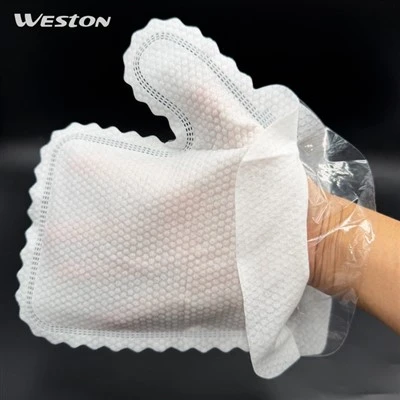
While designed for single-use in critical sterile environments (e.g., medical device manufacturing), lighter-duty Disposable Microfiber Spunlace can be washed 1–2 times for non-sterile use, such as general household cleaning. This makes them a cost-effective choice for businesses balancing hygiene and budget.
2. How often should I wash Microfiber Car Cloths?
Wash after each car wash or when they start to feel less "grippy" on surfaces-typically after 2–3 uses. Regular washing ensures they remove grime effectively without scratching your vehicle's paint.
3. My Surface Preparation Cloths smell after washing-what's wrong?
Lingering odors usually mean detergent residue is trapped in the fibers. Rewash them with 1 cup of white vinegar in the rinse cycle to break down buildup, especially important for cloths exposed to solvents or industrial grease.
4. Can I iron microfiber cloths to remove wrinkles?
Never! High heat damages the Spunlace fibers, causing them to melt and lose their cleaning power. Instead, smooth out wrinkles while air-drying or use a steamer on low heat for a crisp, ready-to-use finish.
5. Do custom-colored Weston cloths fade after washing?
Not at all. Our advanced dyeing process ensures Pantone-matched colors remain vibrant for 50+ washes, so your branded cloths will maintain a professional appearance through countless uses.
Ready to Make Every Wash Count?
Don't let improper washing waste your investment in high-quality microfiber. By following these steps, you'll unlock the full potential of your Microfiber Car Cloths, Surface Preparation Microfibre Cloths, and Disposable Microfiber Spunlace, ensuring they deliver streak-free, lint-free results wash after wash. And when you choose Weston Nonwoven, you're choosing 18 years of Spunlace expertise-cloths that are durable, customizable, and built to work as hard as you do.
For bulk orders, custom solutions, or personalized washing guides:
Contact us at sales@westonwiper.com
Let's ensure your microfiber cloths stay in peak condition-because clean shouldn't be a compromise.
Weston Nonwoven: Where Quality Meets Longevity.