In environments where hygiene and cleanliness are not just preferences but essential protocols-such as hospitals, laboratories, and food preparation areas-the choice and application of disinfectant products carry significant weight. Among these products, disinfectant wipes have become indispensable tools, offering convenience and efficacy. However, an often-asked question among healthcare professionals, scientists, and facility managers alike is: Do you have to rinse after using disinfectant wipes?
This question may seem straightforward but invites a deeper exploration of disinfectant chemistry, usage contexts, and safety considerations. It also provides an opportunity to understand the role of high-quality Spunlace Wipes Used For Surgical Site Preparation, Food Safe Wipes, Non-Toxic Disinfectant Wipes For Laboratories, and Hospital-Grade Disinfecting Wipes manufactured by entities such as Weston Nonwoven, a pioneer in trusted spunlace nonwoven products.
Understanding Disinfectant Wipes: Composition and Purpose
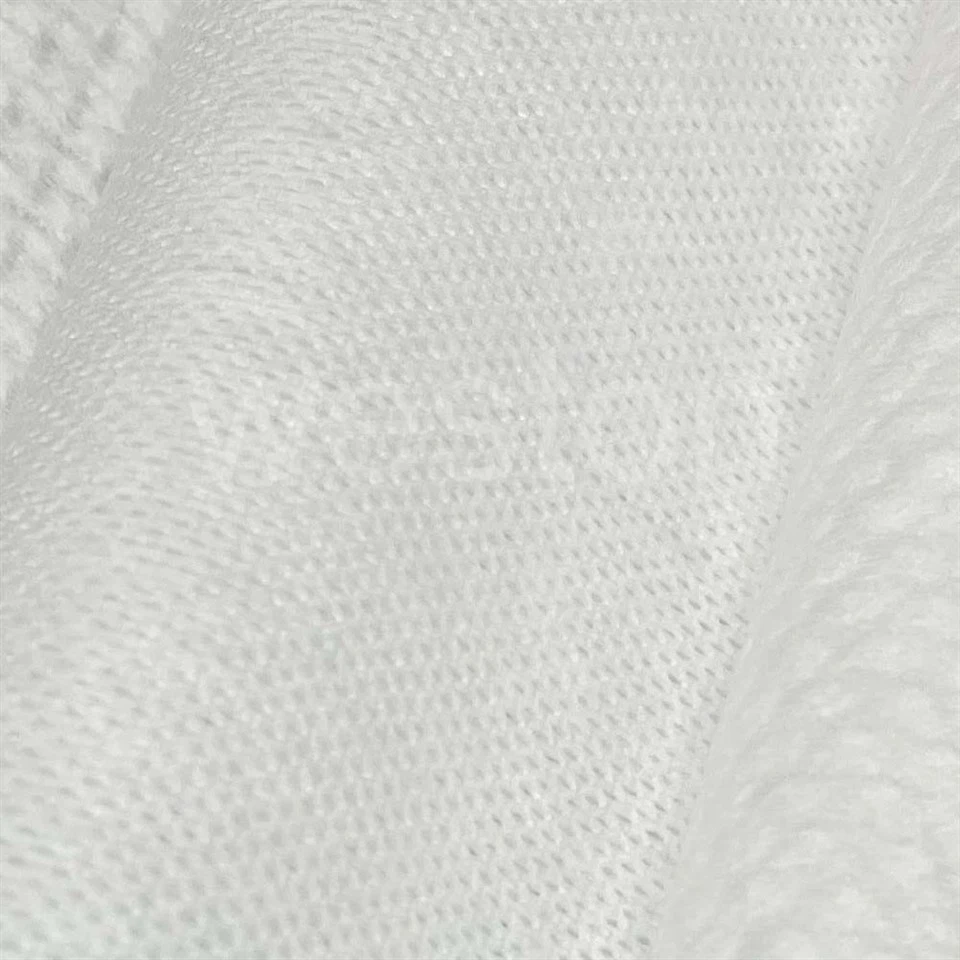
Disinfectant wipes combine fabric substrates-often nonwoven spunlace materials-with chemical agents capable of eliminating or reducing harmful microorganisms effectively. The spunlace manufacturing process involves hydroentanglement, resulting in soft, durable, and highly absorbent wipes that enhance the delivery of disinfectants to hard-to-clean surfaces, skin, or instruments without shedding fibers.
Weston's Spunlace Wipes Used For Surgical Site Preparation are specifically engineered to meet the rigorous demands of surgical environments. Their absorbency and strength ensure thorough application of antiseptics, reducing microbial load without irritating sensitive skin. Similarly, Food Safe Wipes require stringent chemical formulations to eliminate pathogens without leaving residues that would compromise food safety.
In laboratories, Non-Toxic Disinfectant Wipes For Laboratories are critical, as they sanitize surfaces without introducing harmful vapors or residues that could interfere with sensitive experiments. Meanwhile, Hospital-Grade Disinfecting Wipes must balance robust antimicrobial action with biocompatibility-for use on medical instruments, equipment, and frequently touched surfaces.
To Rinse or Not: Factors Influencing Post-Use Rinsing of Disinfectant Wipes
Whether rinsing is necessary after using disinfectant wipes depends largely on the chemical nature of the disinfectant, the applied surface, and regulatory or industry standards governing the task.
Chemical Residues and Toxicity
Some disinfectants contain residues that could be harmful if ingested or come into prolonged contact with skin. For example, quaternary ammonium compounds (quats), phenolics, or bleach-based wipes often require rinsing on food-contact surfaces unless specifically formulated to be "no-rinse" compliant. This is where Food Safe Wipes made by Weston shine-they utilize formulations paired with spunlace substrates designed for effective microbial control without toxicity, thus minimizing or eliminating the need for rinsing.

For sensitive skin areas, such as those prepared for surgery, rinsing is generally not recommended because the disinfectant needs sufficient contact time to exert antimicrobial action without dilution. Here, Spunlace Wipes Used For Surgical Site Preparation provide a precise balance of efficacy and skin friendliness, designed to be left on the skin without rinsing.
Surface Compatibility and Intended Use
Surfaces vary widely in porosity, chemical resistance, and end-use. In healthcare settings, Hospital-Grade Disinfecting Wipes are often employed on non-porous surfaces where disinfectant residues can be tolerated or easily wiped away without rinsing. However, in laboratories, where precision and sample integrity are paramount, Non-Toxic Disinfectant Wipes For Laboratories must sanitize without chemical interference-a scenario favoring no-rinse wipes or necessitating a water rinse depending on wipe composition.
Regulatory and Industry Guidelines
Regulatory bodies and industry standards may prescribe protocols for rinsing after disinfection to prevent harmful residues or comply with hygiene guidelines. It's essential for professionals to consult pertinent regulations and manufacturer instructions to determine rinsing requirements. Weston's products come paired with detailed usage guidelines formulated to comply with these standards.
Advantages and Disadvantages of Rinsing After Using Disinfectant Wipes
Advantages of Rinsing
Removes Chemical Residue: Especially important for food preparation surfaces or sensitive lab equipment.
Prevents Toxic Exposure: Limits contact with potentially harmful disinfectant chemicals.
Ensures Surface Compatibility: Protects materials that are sensitive to certain chemicals.
Disadvantages of Rinsing
Dilutes Antimicrobial Residual Effect: Rinsing may reduce ongoing disinfectant protection.
Time and Resource Intensive: Additional labor and water use increase operational costs.
Increases Contamination Risk: Rinsing process can reintroduce contaminants if not carefully managed.
Why Weston's Disinfectant Wipes Stand Out
Weston's innovative Spunlace Wipes Used For Surgical Site Preparation, Food Safe Wipes, Non-Toxic Disinfectant Wipes For Laboratories, and Hospital-Grade Disinfecting Wipes integrate advanced spunlace technology and carefully balanced chemical formulations. Their versatility allows for efficient microbial control with minimal or no need for rinsing, supporting safer, faster workflows and ensuring compliance with hygiene standards.
Moreover, the softness, strength, and absorbency of Weston's spunlace wipes reduce the risk of fiber shedding-a critical feature for sterile environments and precision cleaning. Their non-toxic compositions align with environmental and health safety demands across industries.

Additional Considerations for Users
Always read and follow the manufacturer's instructions accompanying the disinfectant wipes.
Evaluate the risk of chemical residue in relation to the surface and its end use.
Consider operational benefits and environmental impacts associated with rinsing.
Where appropriate, leverage the benefits of advanced spunlace nonwoven wipes for optimal disinfection with minimal post-use treatment.
For professionals seeking to source superior quality disinfectant wipes, Weston Manufacturing offers free samples to facilitate evaluation and integration:
Contact: info@westonmanufacturing.com
Weston's commitment to quality spunlace nonwoven fabrics and comprehensive wipe solutions positions them as trusted partners in healthcare, food service, laboratory, and industrial disinfection sectors-addressing nuanced concerns such as rinsing through innovative product design.
The question of whether to rinse after disinfectant wipe use cannot be universally answered with a simple yes or no. It requires a discerning approach, grounded in the chemistry of disinfectants, the context of use, and evolving hygiene standards. As Weston's product range exemplifies, high-quality spunlace disinfectant wipes offer powerful and versatile options that can streamline safety protocols while safeguarding health and the environment.