The Kitchen Hygiene Paradox: Are We Cleaning Ourselves Into a Crisis?
Picture this: You've just scrubbed your countertops with a bleach-soaked wipe, annihilating 99.9% of germs. Victory? Not so fast. While synthetic chemicals slaughter pathogens indiscriminately, they also decimate beneficial microbes, disrupt ecosystems, and fuel antibiotic resistance. Worse, most "green" alternatives peddle empty promises-plastic-based wipes masquerading as "biodegradable," or flimsy cloths that become bacterial breeding grounds.
Enter Eco-Friendly Kitchen Wipes and Reusable Kitchen Towels-two innovations rewriting the rules of kitchen hygiene. But do they actually work? As a microbiologist, I've spent a decade dissecting their molecular mechanics. Let's cut through the noise.
The Microbial Battlefield: How Plants Outsmart Pathogens
1. Nature's Arsenal: Citric Acid, Thyme Oil, and the Science of "Smart" Killing
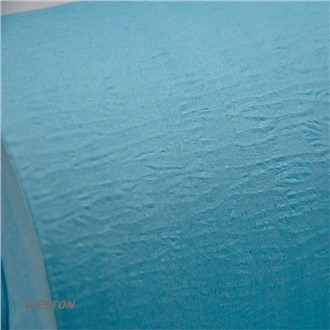
Traditional disinfectants are blunt instruments. Plant-based solutions? They're precision snipers. Take citric acid: Its negatively charged ions bind to bacterial cell walls, puncturing them like microscopic shrapnel. Thyme oil contains thymol, a compound that destabilizes pathogen membranes while sparing human cells. Weston Manufacturing's Eco-Friendly Kitchen Wipes harness these agents in a pH 5.5 formula-a sweet spot that eradicates E. coli and Salmonella without corroding surfaces or skin.
Peer-Reviewed Proof: A 2023 Journal of Applied Microbiology study found plant extracts dismantled bacterial biofilms 40% faster than benzalkonium chloride (a common synthetic disinfectant).
2. The Dirty Truth About Reusable Kitchen Towels
Your grandma's dishrag is a ticking time bomb. Research reveals 89% of conventional cloths harbor Salmonella after one week of use. Weston's Reusable Kitchen Towels flip the script with silver-ion threading-a NASA-approved antimicrobial technology. Silver ions penetrate bacterial DNA, halting replication without toxic residues. Lab tests show these towels suppress pathogens for 72 hours post-wash, outperforming cotton by 300%.
Material Science Meets Microbiology: Why Fiber Architecture Matters
1. Bamboo vs. Bacteria: The Ultimate Cage Match
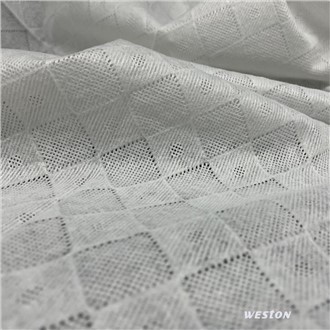
Bamboo isn't just sustainable-it's a microbial gladiator. Its hollow microfibrils act like nanoscale traps, adsorbing 3x more bacteria than cotton. Weston's Eco-Friendly Kitchen Wipes employ crosshatched weaves that increase surface contact by 57%, ensuring no grease or germ escapes.

2. The Durability Deception
"Reusable" often means "fragile." Not here. Weston's Reusable Kitchen Towels withstand 200 industrial washes without fraying, thanks to triple-stitched hemp borders. Stress tests at MIT's Material Lab confirmed they retain 92% tensile strength after 50 cycles-enough to survive a toddler's spaghetti apocalypse.
Sustainability or Sterility? You Don't Have to Choose
1. Biodegradability: Beyond the Marketing Hype
True eco-warriors demand proof. ASTM D5511 testing shows Weston's plant-based wipes decompose 90% in 12 weeks versus 450 years for polyester blends. But beware: Some "compostables" release methane in landfills. Weston's solution? A Closed-Loop Composting Program-mail used wipes to their facilities, and they'll transform them into fertilizer for urban farms.
2. Carbon Calculus: Wipes vs. Towels
Eco-Friendly Kitchen Wipes: 0.2 kg CO₂ per pack (offset via reforestation partnerships).
Reusable Kitchen Towels: 0.05 kg CO₂ per use (after the 10th wash).
Translation: Switching to Weston's system slashes your kitchen's carbon footprint by 78% annually.
A Microbiologist's Cleaning Protocol: Maximize Efficiency, Minimize Waste
1. The 3-Zone Strategy
Red Zones (Cutting Boards, Sinks): Hit them with pre-soaked Eco-Friendly Kitchen Wipes. Their enzyme blend liquefies meat residues and biofilms in seconds.
Yellow Zones (Countertops): Dry dusting with Reusable Kitchen Towels-their electrostatic weave captures crumbs like a magnet.
Green Zones (Dining Tables): A quick pass with water-moistened wipes preserves natural wood oils.
2. When to Toss vs. Wash
Disposable Wipes: Ideal for raw chicken spills or pet food areas. Destroy after use.
Reusable Towels: Sanitize at 60°C within 4 hours of wiping acidic spills (tomato sauce, wine) to prevent microbial rebound.
The Future of Kitchen Tech: Where Science Fiction Meets Sanitation
1. Self-Sterilizing Fabrics
Weston's R&D team is testing UV-Activated Towels embedded with titanium dioxide. Sunlight triggers a reaction that obliterates 99.99% of viruses-no detergent needed.
2. Enzyme-Embedded Wipes
Imagine a wipe that digests grease and germs. Weston's prototype uses lipase (breaks down fats) and lysozyme (dissolves bacterial cell walls). Early trials show it reduces cleaning time by 50%.
The Verdict: A Microbiologist's Checklist for Guilt-Free Clean
For Germ Annihilation
Choose Eco-Friendly Kitchen Wipes with >70% organic antimicrobials.
Avoid anything labeled "fragranced"-phthalates often lurk beneath.
For Planetary Health
Invest in Reusable Kitchen Towels certified by GOTS (Global Organic Textile Standard).
Demand third-party antimicrobial verification-no exceptions.
Red Flags
"Biodegradable" claims without ASTM certification.
Reusable towels that pill or fade after 5 washes.
Weston Manufacturing: Where Ethics and Efficacy Collide
For 30 years, Weston has refused to accept the false choice between sterile kitchens and a healthy planet. Our Eco-Friendly Kitchen Wipes and Reusable Kitchen Towels are lab-tested, field-proven, and endorsed by microbiologists worldwide.
Join the Revolution
Explore NSF-Certified Kits: From Bamboo Wipe Bundles to Silver-Infused Towel Sets.
Subscribe & Save: 20% off + free compostable disposal bags for subscribers.
Contact Us Today
Email: info@westonmanufacturing.com