Can Meltblown Nonwoven Fabric Be Washed? (And What to Use If You Need a Washable Alternative)
No, meltblown nonwoven fabric should not be washed. Meltblown fabric relies on an electrostatic charge - known as the electret effect - to trap fine particles during filtration. Washing dissolves or neutralizes this charge, and studies on mask filtration have shown that filtration efficiency can drop significantly, sometimes by 50% or more, after a single wash cycle. In most technical and hygienic applications, washed meltblown fabric should be considered compromised.
That said, the answer isn't entirely black and white for every use case. Below, we break down why meltblown fails after washing, when limited reuse is actually acceptable, and what alternatives exist if your application genuinely requires a washable, reusable nonwoven fabric.

Why Meltblown Fabric Can't Be Washed
How Meltblown Fabric Works
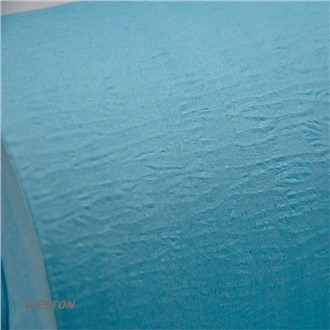
Meltblown fabric is produced by extruding molten polymer (typically polypropylene) through fine nozzles under high-velocity hot air, creating ultra-fine fibers (often 1–5 microns) that form a random, dense web. During or shortly after production, the fabric is charged electrostatically, giving it the ability to attract and capture submicron particles - this is what makes it effective in masks, air filters, and oil-absorption applications.
What Happens When It's Washed
Water - especially combined with detergent or mechanical agitation - disrupts the electret charge almost immediately. Beyond the loss of electrostatic attraction, washing can also:
Loosen the fiber web structure, since meltblown is thermally bonded rather than mechanically entangled
Cause fiber shrinkage or distortion, reducing uniform pore structure
Leave residual moisture that affects breathability and structural integrity
For any application where filtration performance or particle capture is the primary function, one wash cycle is generally enough to compromise the fabric beyond reliable use.
An Important Exception: Limited Reuse for Low-Requirement Wiping Tasks
There is a practical nuance worth noting. In applications where meltblown fabric is used purely as a wiping material rather than a filter - such as general oil or dust wiping in workshops - light washing a limited number of times is technically possible, since the fabric's absorbent fiber structure doesn't collapse immediately.
However, this comes with a clear trade-off: the more times the fabric is washed, the weaker its oil-wiping performance becomes. Each wash cycle reduces the fiber web's oil affinity and physical structure, so absorption capacity and wiping efficiency decline progressively. This makes washed meltblown fabric acceptable only for low-standard, non-critical wiping tasks - not for applications where consistent oil removal, filtration, or hygiene standards matter.

Common Situations Where People Try to Wash Meltblown Fabric
Mask reuse - attempting to extend the life of meltblown mask filter layers, which is not recommended for the reasons above
Industrial filter reuse - trying to clean and reinstall meltblown filter cartridges to cut costs
Confusion with other nonwoven types - assuming all nonwoven fabrics behave the same way as washable textiles, when bonding method (thermal/electrostatic vs. mechanical) is the deciding factor
If You Need a Washable Nonwoven - Consider Spunlace (Hydroentangled) Fabric
If your application genuinely requires repeated washing and reuse, spunlace nonwoven - also called hydroentangled or water-jet nonwoven fabric - is the appropriate alternative, and it's engineered for exactly this purpose.
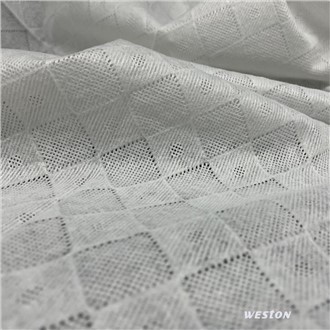
Spunlace fabric is formed by interlocking fibers using high-pressure water jets rather than heat or adhesive bonding. Because the fibers are mechanically entangled rather than electrostatically charged, washing doesn't destroy the fabric's core structure or function. This is why spunlace is the standard choice for reusable wipes, medical textiles, and industrial cleaning materials - including options like Washable Microfiber Non-woven, which is specifically engineered for repeated laundering without losing absorbency or tensile strength.
Meltblown vs. Spunlace: Quick Comparison
|
Property |
Meltblown |
Spunlace |
|
Bonding method |
Electrostatic / thermal |
Hydroentanglement (mechanical) |
|
Washable |
No (or very limited, with performance loss) |
Yes, typically 20–50+ wash cycles depending on grade |
|
Reusable |
Not recommended |
Yes |
|
Primary strength |
Fine particle filtration |
Absorbency, durability, reusability |
|
Common use |
Mask filter layer, air/oil filtration |
Wipes, medical gowns, industrial cleaning textiles |
Real Case Study: Factory Customization Solving a Real Washing Problem
A client in the industrial maintenance sector approached our factory after struggling with meltblown-based wiping cloths that degraded in oil-removal performance after just a few uses, forcing frequent repurchasing and driving up operating costs.
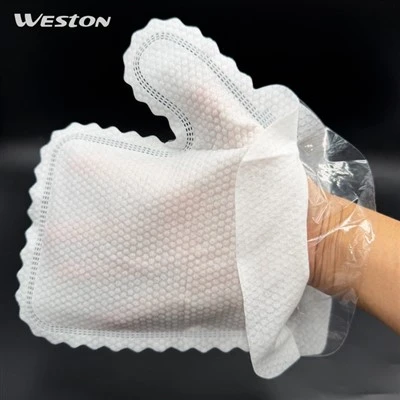
Our team assessed their actual use case - repeated wiping of machine oil residue, requiring both absorbency and reusability - and determined that a 70/30 Viscose Polyester Cleaning Wipes Material was a better structural fit than meltblown for their workflow. We customized the fabric's GSM, water-jet bonding density, and finishing treatment to balance oil absorption with wash durability.
The result: the customized spunlace-based wipes maintained consistent absorption performance across more than 30 wash cycles in the client's internal testing, reducing their monthly consumable costs by roughly 40% compared to their previous single-use meltblown wipes.
How Weston Factory Customization Works
We work directly with clients to match nonwoven fabric structure to real application requirements, rather than defaulting to a single standard product. Our process typically includes:
Raw material selection - viscose, polyester, cotton blends, or other fiber compositions based on application needs
GSM and width customization - tailored to absorbency, thickness, and cost targets
Finishing treatment - hydrophilic or hydrophobic treatment depending on end use
Sample testing and approval - including wash-cycle durability testing where relevant
Bulk production - with flexible MOQ and OEM/ODM support
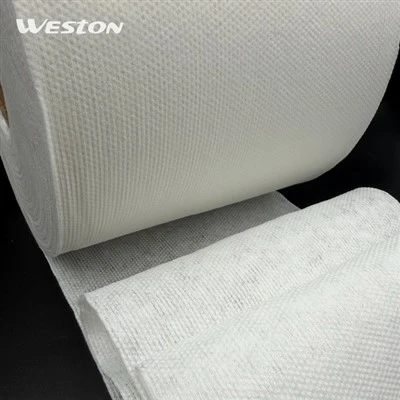
For clients needing a broader range of options beyond wipes - such as filtration layers, medical substrates, or packaging liners - we also offer a Versatile Nonwoven Fabric Roll line that can be adjusted across multiple bonding methods and fiber blends to fit different production requirements.
FAQ
Can meltblown fabric be reused without washing?
Yes, meltblown fabric can typically be reused a limited number of times without washing, as long as it isn't visibly contaminated or damaged, since its electrostatic charge remains intact when dry.
How many times can spunlace nonwoven fabric be washed?
Depending on the fiber blend and finishing treatment, spunlace fabric can generally withstand 7 to 30+ wash cycles while maintaining acceptable absorbency and structural integrity.
What GSM is best for washable industrial wipes?
For general industrial oil and dust wiping, a GSM range of 60–120 typically balances absorbency and durability, though heavier-duty applications may require higher GSM.
Does Weston offer custom spunlace fabric for specific applications?
Yes, we provide OEM/ODM customization for fiber blend, GSM, width, and finishing treatment based on the client's specific washing, absorbency, and application requirements.
Get a Custom Solution
If meltblown fabric isn't holding up to your washing or reuse needs, our team can help you identify the right spunlace specification for your application. Request a free sample or technical consultation to get started.