Biodegradable And Breathable: The Dual Benefits Of Unbleached 100% Cotton
Unbleached 100% Cotton is fully biodegradable because of its untreated natural fiber composition, and it's more breathable than synthetic or heavily processed alternatives because of its porous, chemical-free fiber structure. Here's the material science behind both claims - and where they matter most in real product applications.
Is Unbleached Cotton Truly Biodegradable?
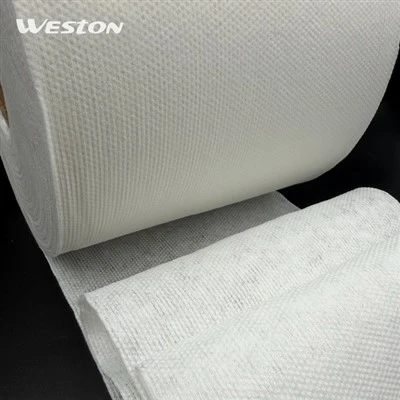
Yes. Unbleached cotton breaks down through natural microbial action because it retains its raw fiber composition - no synthetic bonding agents, no chlorine bleaching residue, no dye. When processed through spunlace (hydroentanglement) technology, the fibers are held together mechanically using pressurized water jets rather than adhesives or resins, so nothing in the fabric resists decomposition once it's disposed of.
For a material to be credibly called biodegradable, it should be evaluated against recognized standards such as ASTM D5988 (soil biodegradation) or EN 13432 (industrial compostability) - reference points that offer a verifiable basis for the claim, rather than relying on unsupported marketing percentages.

How It Compares to Other Common Materials
|
Material |
Biodegradable? |
Bonding Method |
Common Limitation |
|
Unbleached 100% Cotton (spunlace) |
Yes |
Mechanical (water-jet) |
None - natural fiber, no chemical residue |
|
Bamboo viscose |
Partially |
Often chemically processed |
Processing chemicals can slow breakdown |
|
Polyester/viscose blend |
No |
Thermal/resin bonding |
Microplastic shedding, incomplete decomposition |
|
Bleached cotton |
Yes, structurally |
Mechanical |
Bleaching residue can be a concern for sensitive skin |
Why This Matters Most for Biodegradable Baby Wipes Material
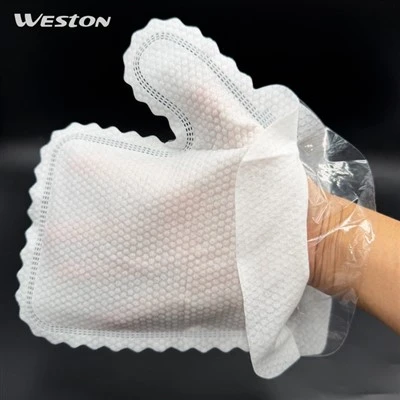
Among the many applications for unbleached cotton, baby wipes are where biodegradability carries the most practical weight. These are high-frequency, single-use products disposed of daily, often multiple times a day, over a period of years per household - which means the cumulative environmental footprint of the material matters far more than it would for a durable, long-life textile.
A genuinely Biodegradable Baby Wipes Material needs to satisfy two conditions at once: natural fiber composition, and a bonding method that doesn't introduce non-degradable components. Many wipes marketed as "natural" still use resin-bonded or synthetic-blended nonwoven cores, which undermines the claim regardless of what's printed on the packaging. Unbleached cotton, bonded through spunlace technology, is one of the few materials that satisfies both conditions without compromise.
What Makes Unbleached Cotton Breathable?
Breathability comes down to fiber structure. Unbleached cotton fibers, left in their natural state, retain a porous, slightly irregular surface that allows air and moisture vapor to pass through the fabric rather than being trapped against the skin. Two factors reinforce this:
No coating or resin bonding - treated or resin-bonded nonwovens often seal fiber gaps, reducing airflow. Spunlace-bonded cotton leaves those gaps open.
No bleaching residue - the bleaching process itself doesn't just affect color; residual chemical treatment can also alter fiber surface texture in ways that reduce natural porosity.
This combination is particularly relevant for products that stay in prolonged contact with skin - where trapped moisture and heat are what typically cause irritation in the first place.

The Role of Spunlace Technology in Both Benefits
Both properties - biodegradability and breathability - trace back to the same underlying process: how the fibers are bonded. Spunlace technology interlocks cotton fibers using high-pressure water jets instead of heat-fused synthetic binders or adhesive resin. This has two simultaneous effects:
It leaves no synthetic material in the fabric to resist biodegradation.
It preserves the fiber's natural porosity instead of sealing it, which is what allows air and moisture to move through the material.
This is also where fiber preparation matters. Our Cotton Degreased Nonwoven Fabric process removes natural cotton oils and waxes before spunlace bonding, which improves the fiber's liquid absorbency and evenness of texture - without introducing any synthetic treatment that would compromise biodegradability or breathability.
Weston's Material Capabilities
Rather than offering one fixed specification, we adjust fiber treatment, weight, and finishing based on the intended application:
Fiber sourcing and processing - unbleached, undyed cotton with degreasing treatment available where higher absorbency is needed
GSM range - typically 25–40 GSM for lightweight, gentle wipes, up to heavier weights for more absorbent or textured products
Spunlace density control - adjustable fiber entanglement to balance softness against wet strength
Finishing options - plain or embossed texture, with optional skin-soothing treatments for sensitive-skin formulations, including materials developed for Baby Wipes For Red Butt applications where minimizing irritation is the primary design goal
Testing and compliance support - production aligned with relevant safety standards for baby and personal care products, with documentation available for review
How Weston Customization Works
- Consultation - identifying the target application and required performance characteristics (absorbency, softness, breathability, biodegradability standard)
- Fiber and GSM selection - matching composition and weight to the product's functional and cost requirements
- Finishing treatment - determining whether degreasing, texture, or additional softening is needed
- Sample production and testing - including biodegradability and skin-safety evaluation where required
- Bulk production - with OEM/ODM support and flexible minimum order quantities
FAQ
Is unbleached cotton more biodegradable than bleached cotton?
Both are structurally biodegradable as natural fibers, but unbleached cotton avoids chlorine bleaching residue entirely, which can make its breakdown profile more consistent and reduces potential chemical residue in the disposed material.
Why is spunlace fabric more breathable than resin-bonded nonwoven?
Spunlace bonding uses water jets to mechanically interlock fibers, leaving natural gaps between them intact. Resin or thermal bonding tends to seal these gaps, reducing airflow through the fabric.
What GSM works best for breathable, biodegradable baby wipes?
Lightweight wipes typically use 25–40 GSM unbleached cotton spunlace fabric, which balances softness, absorbency, and breathability for daily skin contact.
Does Weston customize unbleached cotton for sensitive-skin products?
Yes, we adjust fiber treatment, GSM, spunlace density, and finishing based on sensitivity requirements, including degreasing treatment and soothing finishes for products designed for irritated or reactive skin.
Get a Material Sample
If you're developing a product that needs to be both genuinely biodegradable and breathable, request a sample or technical documentation to evaluate unbleached cotton against your current material specification.