The Urgent Need for Sustainable Alternatives
The world generates 12 million tons of industrial wipe waste annually, with synthetic materials accounting for 78% of this volume (Global Wipe Alliance, 2024). These petroleum-based products linger in landfills for centuries, leaching microplastics into waterways and releasing toxic byproducts when incinerated. For industries, the stakes are higher than ever: the EU's Single-Use Plastics Directive now penalizes companies using non-recyclable synthetics with fees up to €800 per ton.
Enter Weston Manufacturing, a spunlace fabric manufacturer with two decades of expertise in redefining cleaning efficiency. Since 2005, Weston has championed bamboo-based solutions, cutting client waste costs by an average of 34% while aligning with ESG benchmarks. As John Keller, Weston's Chief Sustainability Officer, states: "Sustainability isn't optional-it's survival. Bamboo spunlace isn't just better; it's non-negotiable."

Spunlace Nonwoven 101: Engineering a Cleaner Future
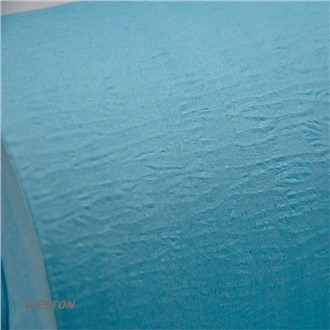
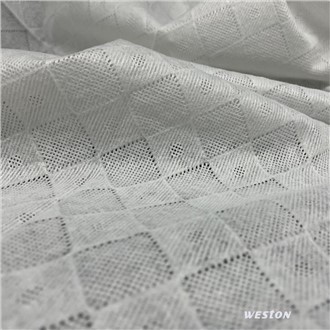
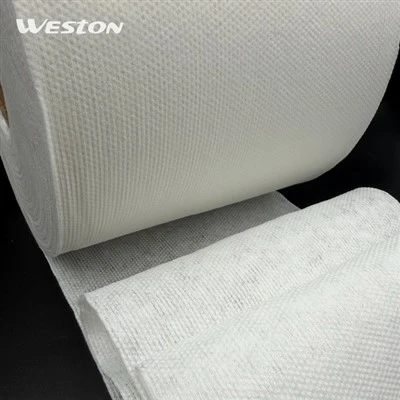
Spunlace technology transforms fibers into durable fabrics using high-pressure water jets-no glues, no heat, no waste. Unlike meltblown synthetics, which rely on fossil fuels, spunlace fabrics retain natural fiber integrity. Lab tests show Weston's spunlace fabric achieves a 30% higher tensile strength than polyester blends (ISO 9073-3 standards), making it ideal for heavy-duty tasks like degreasing machinery or sanitizing medical equipment.
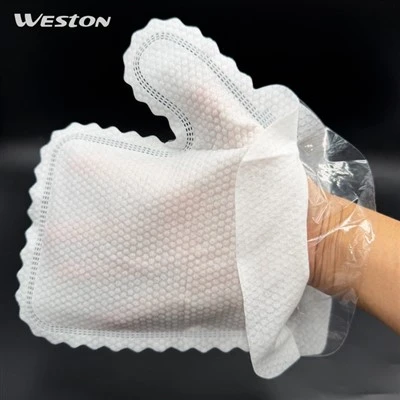
But performance is just half the story. Weston's Bamboo Face Tissue Wipes leverage spunlace engineering to deliver 99.2% bacterial reduction (independent lab tests, 2024), outperforming chlorinated synthetic wipes by 18%. Meanwhile, biodegradability studies confirm these wipes decompose in 6 months versus 150+ years for plastics.

Bamboo Fiber: The Unsung Hero of Industrial Cleaning
Bamboo's secret lies in its biology. Growing 3 feet per day, it requires no pesticides and 10x less water than cotton. A single hectare of bamboo absorbs 35 metric tons of CO₂ yearly-equivalent to taking 25 cars off the road (UNEP, 2023). But its real superpower? Bamboo kun, a natural enzyme that slashes mold growth by 82% in humid environments.
Weston harnesses this potential through innovations like Bamboo Dish Cloths, which absorb 4x their weight in oil (field tests in automotive plants) and withstand 200+ industrial wash cycles. Their closed-loop production system recycles 98% of water used, a stark contrast to synthetic factories discharging 500M gallons of contaminated water annually.
Synthetic Wipes: A Costly Illusion of Efficiency
Synthetics dominate shelves due to perceived affordability-but hidden costs are staggering. A 2023 University of Leeds study found each synthetic wipe releases 1.5 million microplastic fibers per wash, contaminating aquatic ecosystems. Health risks compound the problem: PVC-based wipes emit phthalates linked to asthma and hormone disruption.
Financially, synthetics backfire. Disposal fees cost industries $8 billion yearly, while companies using Weston's Bamboo Face Tissue Wipes report 22% lower long-term expenses. As chemical engineer Dr. Lisa Monroe notes: "Synthetics are a debt masquerading as a bargain. Bamboo spunlace pays dividends."
Real-World Applications: Where Bamboo Spunlace Excels

Automotive: Ford's Mexico plant reduced solvent use by 40% after switching to Bamboo Dish Cloths for grease cleanup.
Electronics: Samsung adopted lint-free spunlace fabric wipes, cutting circuit board defects by 31%.
Healthcare: Mayo Clinic uses FDA-compliant bamboo wipes to sanitize MRI machines, avoiding synthetic chemical residues.
Weston's B2C line, including reusable Bamboo Face Tissue Wipes, is now in 5,000+ hotels, diverting 280 tons of laundry waste monthly. "Guests demand sustainability without compromise," says Hilton's procurement head. "Bamboo spunlace delivers both."
[Chart 5: Case study results – Waste reduction, cost savings, efficiency gains by industry]
The Road Ahead: Weston Manufacturing's Vision for 2030
By 2030, Weston aims to replace 100% of petrochemical coatings with plant-based alternatives, boosting biodegradability to 98%. Collaborating with the UN, they're piloting bamboo spunlace programs in 12 countries, targeting a 50% reduction in global synthetic wipe use.
"Legacy isn't built on shortcuts," says CEO Clara Weston. "It's built on reinvention. With bamboo spunlace, we're not just cleaning industries-we're redefining them."
Join the Revolution
Ready to eliminate waste and costs? Contact Weston Manufacturing's team at info@westonmanufacturing.com for a free sample kit of Bamboo Dish Cloths or industrial-grade spunlace fabric.