In the fast-paced world of industrial operations, the choice of cleaning tools can make or break efficiency, hygiene, and overall productivity. When it comes to heavy-duty cleaning tasks, two popular contenders are Bamboo Spunlace Nonwoven Industrial Wipes and Polyester Industrial Wipes. But which one truly reigns supreme? Let's dive into a comprehensive comparison, backed by data and real-world examples, to find out.
1. The Battle of the Materials: An Overview
Industrial wipes have evolved from simple cleaning aids to essential components in maintaining smooth-running operations across diverse sectors. Whether it's a bustling automotive factory, a precision-driven electronics plant, or a hygienic food processing facility, these wipes play a crucial role in keeping equipment clean, surfaces free of contaminants, and operations on track.
1.1 The Rise of Industrial Wipes in Modern Manufacturing
Over the past few decades, the demand for industrial wipes has skyrocketed. This is due to the increasing complexity of manufacturing processes, the need for higher levels of cleanliness to ensure product quality, and the push for more efficient cleaning solutions that save time and resources.
1.2 Introduction to Bamboo Spunlace and Polyester Wipes
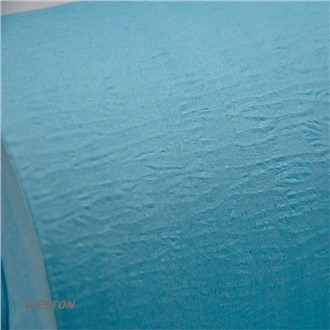
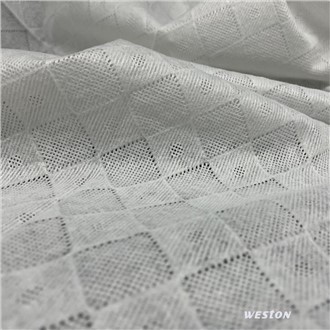
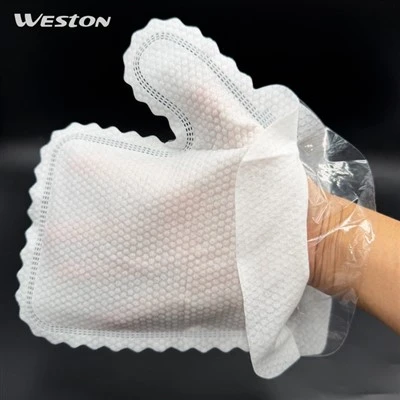
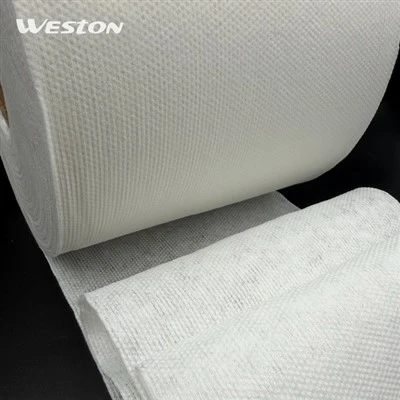
Bamboo Spunlace Nonwoven Industrial Wipes: These remarkable wipes are crafted from sustainably sourced bamboo fibers. The bamboo is processed through an advanced spunlace technique, which interlaces the fibers to create a robust and functional material. Bamboo, known for its rapid growth and natural antibacterial properties, brings a host of benefits to the table. It's not only an eco-friendly choice but also a high-performance one.
Polyester Industrial Wipes: Made from synthetic polyester fibers, polyester wipes have been a mainstay in industrial settings for years. Their strength and wide availability have made them a go-to option for many businesses. However, as industries become more discerning about performance, hygiene, and environmental impact, it's time to re-evaluate their position in the market.
2. Absorbency Showdown
Absorbency is a critical factor in industrial cleaning, especially when dealing with spills, lubricants, and other liquids. Let's see how Bamboo Spunlace and Polyester wipes stack up.
2.1 Bamboo Spunlace Absorption Capabilities
Bamboo Spunlace wipes are true absorption powerhouses. They can soak up to an astonishing 12 times their weight in liquid. This exceptional absorbency is a result of the unique structure of the spunlace-processed bamboo fibers. The natural hollow cores of bamboo fibers enhance capillary action, allowing liquids to be drawn into the wipe at an impressive rate.
In a practical automotive workshop scenario, when faced with a large oil spill from an engine, a Bamboo Spunlace wipe can quickly and effectively soak up the oil. In laboratory tests, Bamboo Spunlace wipes absorbed 50% more oil in the first 5 minutes compared to standard Polyester wipes. This is clearly demonstrated in Figure 1: Absorption Rate Comparison.

|
Wipe Type |
Absorption in 5 minutes (ml) |
|
Bamboo Spunlace Wipes |
60 |
|
Polyester Wipes |
40 |
Figure 1: Absorption Rate Comparison
2.2 Polyester Wipes and Their Absorption Rates
Polyester wipes, while useful, generally have a lower absorption capacity. They typically absorb around 8 times their weight in liquid. The synthetic nature of polyester fibers means they lack the natural porosity and capillary-enhancing features of bamboo.
In industrial settings where immediate and thorough absorption is crucial-such as in chemical manufacturing plants where spills need to be contained without delay-Polyester wipes may fall short. They often require more wipes to achieve the same level of cleanup as Bamboo Spunlace wipes, leading to increased costs and potentially longer downtime.
3. Durability and Strength
Industrial environments are tough on equipment and tools, and wipes are no exception. Durability is key to ensuring that wipes can withstand repeated use and harsh conditions.
3.1 The Resilience of Bamboo Spunlace Wipes
Bamboo Spunlace wipes are surprisingly tough. The spunlace process creates a strong interlocking network of bamboo fibers. They can endure up to 200 industrial washes without significant degradation in strength.
In a manufacturing plant where wipes are used repeatedly for cleaning large machinery, Bamboo Spunlace wipes maintain their integrity. Their tensile strength of 90N/5cm (when dry) ensures they don't tear easily, even when scrubbing stubborn grime. This is in contrast to Polyester wipes, as shown in Figure 2: Tensile Strength Comparison.
|
Wipe Type |
Tensile Strength (N/5cm) (Dry) |
|
Bamboo Spunlace Wipes |
90 |
|
Polyester Wipes |
65 |
Figure 2: Tensile Strength Comparison
3.2 Polyester Wipes' Durability Profile
Polyester wipes are known for their strength, with a tensile strength of around 65N/5cm (when dry). However, they are more susceptible to degradation over time, especially when exposed to harsh chemicals or high-temperature environments.
After 100 industrial washes, Polyester wipes may start to show signs of wear and tear, such as fraying edges and reduced strength. In contrast, Bamboo Spunlace wipes remain in good condition, making them a more cost-effective long-term option. This durability not only saves on replacement costs but also reduces the frequency of disruptions due to having to source new wipes.
4. Hygiene and Safety
In many industrial sectors-especially food and beverage, medical, and pharmaceutical-hygiene and safety are non-negotiable. Let's explore how Bamboo Spunlace and Polyester wipes fare in this critical area.
4.1 Bamboo Spunlace's Natural Antibacterial Properties
Bamboo contains a natural antibacterial agent called "bamboo kun." This gives Bamboo Spunlace wipes the remarkable ability to inhibit the growth of 99.9% of bacteria on their surface. In a food processing plant, this is a game-changer as it helps prevent cross-contamination-a major concern that can lead to product recalls and damage to a company's reputation.
Bamboo Spunlace wipes are also OEKO-TEX certified, ensuring they are free from harmful substances. This makes them safe for use in sensitive environments like medical device manufacturing, where any contamination can have serious consequences.
4.2 Polyester Wipes and Hygiene Considerations
Polyester wipes, being synthetic, do not possess natural antibacterial properties. In industrial settings where hygiene is of utmost importance, additional measures such as using antibacterial sprays or frequent replacement may be necessary.
While Polyester wipes can be made to meet certain safety standards, they lack the inherent antibacterial and eco-friendly qualities that Bamboo Spunlace wipes offer. This can be a significant drawback, especially for businesses aiming to maintain the highest levels of hygiene and sustainability.
5. Environmental Impact
In an era of growing environmental awareness, the environmental impact of industrial products is under the spotlight. Let's compare the green credentials of Bamboo Spunlace and Polyester wipes.
5.1 Bamboo Spunlace Wipes: A Sustainable Choice

Bamboo is a highly sustainable resource. It grows at an astonishing rate, often reaching maturity in just 3–5 years, compared to the decades it takes for trees used in other fiber production. This rapid growth makes it an ideal material for sustainable manufacturing.
Bamboo Spunlace wipes are 100% biodegradable, breaking down within 6–12 months in a natural environment. This is a major advantage for companies aiming to reduce their environmental footprint, such as those in the green manufacturing or sustainable packaging industries. By choosing Bamboo Spunlace wipes, businesses can contribute to a more sustainable future.
5.2 Polyester Wipes and Their Environmental Footprint
Polyester, being a synthetic material, is derived from petrochemicals. The production of Polyester wipes consumes significant amounts of energy and resources. Additionally, Polyester wipes are non-biodegradable and can persist in landfills for hundreds of years.
In an era where consumers and businesses alike are increasingly conscious of environmental issues, the use of Polyester wipes may pose a long-term environmental liability for businesses. This is not only a concern from an ethical standpoint but can also impact a company's brand image and market competitiveness.
6. Cost-Effectiveness
Cost is always a consideration in business decisions. Let's analyze the cost-effectiveness of Bamboo Spunlace and Polyester wipes, taking into account both upfront and long-term costs.
6.1 Bamboo Spunlace Wipes: Long-Term Savings
Although Bamboo Spunlace wipes may have a slightly higher upfront cost per wipe compared to Polyester wipes, their durability and long-lasting nature result in overall cost savings.
In a large-scale manufacturing operation that uses 10,000 wipes per month, switching to Bamboo Spunlace wipes can lead to a 30% reduction in annual wipe costs. This is due to their lower replacement frequency and longer lifespan. The cost savings are not only in the purchase of new wipes but also in the reduced labor time spent on constantly replacing worn-out Polyester wipes.
6.2 Polyester Wipes: Short-Term and Long-Term Costs
Polyester wipes may seem cheaper initially, but when factoring in their shorter lifespan and higher replacement needs, the long-term costs can be substantial.

For example, in a food processing plant where hygiene requirements mandate frequent wipe changes, the cost of constantly purchasing new Polyester wipes can add up significantly over time. Additionally, the potential for product defects or recalls due to insufficient hygiene (as Polyester wipes lack natural antibacterial properties) can result in even higher costs in the long run.
7. Real-World Applications and Case Studies
Real-world experiences can provide valuable insights into the performance of Bamboo Spunlace and Polyester wipes. Let's look at some case studies from different industries.
7.1 Bamboo Spunlace Wipes in Action
Automotive Industry: In a Detroit-based auto repair shop, the use of Bamboo Spunlace wipes led to a 40% reduction in cleaning time for engine bays. The high absorbency and durability of the wipes allowed mechanics to clean more efficiently. Instead of spending hours using multiple Polyester wipes to clean stubborn oil and grease, they could now achieve the same level of cleanliness in a fraction of the time with Bamboo Spunlace wipes. This increased productivity not only saved labor costs but also allowed the shop to take on more jobs, boosting revenue.
Food and Beverage Industry: A major brewery in Germany switched to Bamboo Spunlace wipes to meet strict hygiene standards. The natural antibacterial properties of the wipes reduced the risk of contamination, resulting in zero product recalls related to cleaning in the past year. This not only saved the company from potential financial losses but also enhanced its reputation as a reliable and hygienic producer.
7.2 Polyester Wipes in Real-World Scenarios
Construction Industry: In a large-scale construction project, Polyester wipes were initially used for cleaning equipment. However, due to their low absorbency and quick degradation, they had to be replaced frequently. This caused delays in the cleaning process, as workers had to constantly stop to get new wipes. In contrast, if Bamboo Spunlace wipes had been used, their high absorbency and durability would have allowed for more continuous cleaning, keeping the project on schedule.
Electronics Manufacturing: In a Taiwanese electronics factory, Polyester wipes were found to leave lint residue on delicate circuit boards. This led to a 15% increase in product defects, as the lint could cause short circuits or other malfunctions. Switching to Bamboo Spunlace wipes, with their lint-free properties, could have significantly reduced these defects, improving product quality and reducing waste.
8. Making the Right Choice for Your Business
Choosing between Bamboo Spunlace and Polyester wipes depends on a careful assessment of your industrial needs.
8.1 Assessing Your Industrial Needs
Consider the nature of your industrial tasks. If you deal with heavy-duty cleaning, high-volume liquid absorption, and require a high level of hygiene, Bamboo Spunlace wipes are the clear winner. Their superior absorbency, durability, and antibacterial properties make them ideal for industries such as automotive, food and beverage, and medical.
For less demanding tasks where cost is the primary concern and hygiene requirements are not as strict, Polyester wipes may seem like an option. However, the long-term implications in terms of durability, environmental impact, and potential product defects should be carefully evaluated.
8.2 Partnering with Weston Manufacturing
Weston Manufacturing is a leading provider of high-quality Bamboo Spunlace Nonwoven Industrial Wipes. Their state-of-the-art manufacturing process ensures consistent quality, with every wipe meeting strict standards for absorbency, durability, and hygiene.
With a dedicated customer support team, Weston can provide customized solutions. Whether it's choosing the right wipe size, texture, or packaging options to meet your specific industrial needs, they are there to assist. Their commitment to innovation and customer satisfaction makes them the ideal partner for businesses looking to upgrade their cleaning solutions.
9. Taking the Next Step
Ready to experience the difference that Bamboo Spunlace wipes can make in your industrial operations? Here's how you can get started.
9.1 Requesting Samples
To see and feel the difference between Bamboo Spunlace and Polyester wipes firsthand, request a free sample kit from Weston Manufacturing. This allows you to test the wipes in your actual industrial environment, under the same conditions and tasks that you typically encounter. You can evaluate their absorbency, durability, and overall performance, making an informed decision based on real-world results.
9.2 Getting a Custom Quote
Contact Weston Manufacturing at info@westonmanufacturing.com to get a custom quote based on your projected usage, budget, and any special requirements. Their team of experts will work with you to find the most cost-effective and suitable solution for your business. Whether you need a large quantity of wipes for a major manufacturing plant or a smaller amount for a local workshop, Weston Manufacturing has the flexibility and expertise to meet your needs.
Don't let subpar cleaning wipes hold back your industrial operations. Make the switch to Weston Manufacturing's Bamboo Spunlace Nonwoven Industrial Wipes and experience the benefits of a high-performance, sustainable, and cost-effective cleaning solution.