Are 100% Cotton Pads Safe?
Walk into any store and you will see "100% cotton" printed in large, reassuring letters. It sounds simple and safe. But many people quietly wonder: is that label enough to trust what touches your skin every day?
The short answer is yes-most 100% cotton pads are safe for daily use. The longer answer is more practical: safety depends on how the cotton is processed, how the pad is made, and how you use it. Looking at these details helps you avoid blind trust and make better choices.
What "100% Cotton" Actually Means
"100% cotton" only tells you the fiber content. It confirms that the pad is made from natural cotton, not synthetic fibers like polyester or rayon. That matters because cotton is soft, breathable, and widely accepted by sensitive skin.
However, the label does not tell you how the cotton was treated before it became a finished pad. Cotton in its raw state is not white, sterile, or ready for cosmetic use. It goes through cleaning, bleaching, and shaping processes. Each step can affect the final safety profile.
So while "100% cotton" is a good starting point, it is not a complete safety guarantee.
Why Cotton Is Generally Safe for Skin
Cotton has a long history in medical and personal care use. Its structure allows air flow and reduces moisture buildup, which helps limit irritation. For most people, cotton pads feel gentle and do not trigger allergic reactions.
This is why cotton is commonly used for:
- Facial cleansing
- Makeup removal
- Baby care
- Light wound cleaning (when medical-grade)
Still, "gentle" does not mean risk-free. Some users experience mild irritation, and the cause is often not the cotton itself, but the way it was processed or manufactured.
The Hidden Factor: Processing and Residues
The biggest safety variable is not the fiber-it is the processing.
To make cotton pads look clean and uniform, manufacturers often bleach and sterilize the material. There are two main approaches:
Chlorine-based bleaching
Oxygen-based (or chlorine-free) bleaching
Well-controlled processes leave very low residue and are considered safe. Poor-quality production, however, can leave trace chemicals that may irritate sensitive skin.
There are a few simple signals consumers can watch for:
Pads that look unnaturally bright white
A noticeable chemical smell
Loose fibers or dust (a sign of weak processing control)
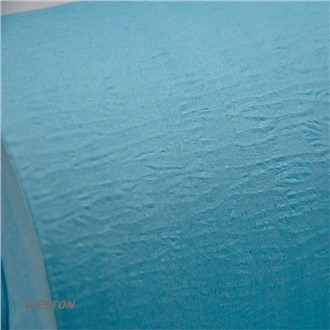
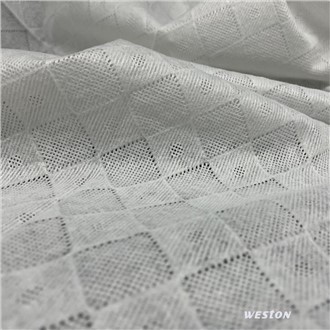
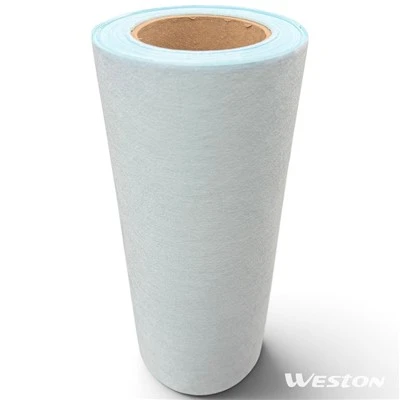
Modern materials like Cotton Spunlace Nonwoven Fabrics improve this situation. Spunlace technology uses high-pressure water jets to bond fibers, reducing the need for chemical binders. This results in cleaner, more stable products with fewer residues.
Structure Matters More Than You Think
Safety is not only about chemistry. Physical structure also plays a role.
Low-quality cotton pads can shed lint or break apart during use. These loose fibers may stick to the skin or enter pores, which can cause discomfort, especially during facial care.
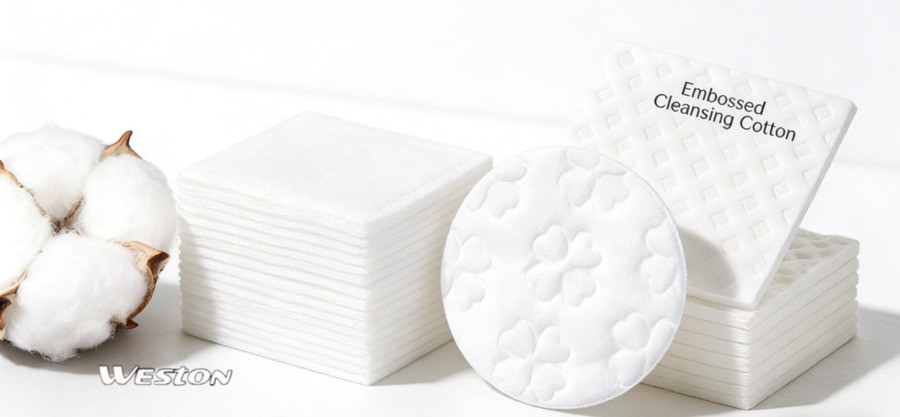
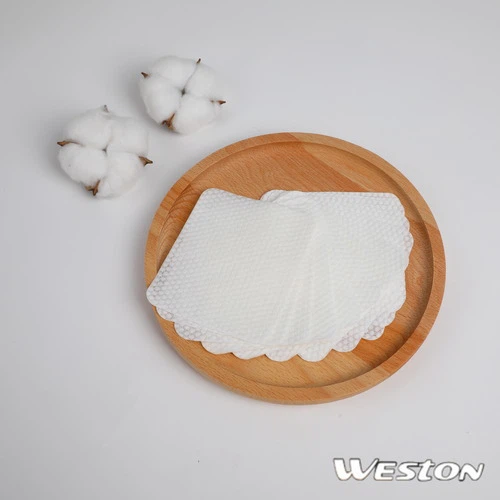
A more refined design, such as a Full-edge Sealed Cotton Pad, helps prevent this issue. Sealed edges keep fibers in place, reduce linting, and improve overall hygiene. This is particularly useful for skincare routines where cleanliness and consistency matter.
Hygiene: Safe Use Is as Important as Safe Materials
Even a well-made cotton pad can become unsafe if it is not stored or used properly.
Common hygiene risks include:
- Storing pads in humid environments
- Leaving packaging open for long periods
- Using pads with wet or contaminated hands
Cotton is absorbent by nature, which means it can also absorb moisture from the air. This creates a potential environment for bacteria if conditions are not controlled.
A simple rule works well: keep cotton pads dry, sealed, and clean until use.
Are They Safe for Babies and Sensitive Skin?
For babies and highly sensitive skin, the safety standard should be higher.
In these cases, it is better to choose products that:
Avoid harsh chemical processing
Have verified safety certifications
Maintain a clean and stable fiber structure
Some manufacturers now produce cotton-based wipes and pads that meet stricter requirements, including food-contact safety standards and formaldehyde-free processing. These controls reduce the risk of hidden irritants and make the products more suitable for delicate applications.
Environmental Perspective: Safe for You, Not Always for the Planet
Cotton is biodegradable, which is often seen as an advantage. However, cotton farming can require large amounts of water and agricultural inputs. In addition, disposable cotton pads contribute to daily waste.
This does not make them unsafe, but it adds another dimension to the decision. Some users choose reusable alternatives, while others prefer responsibly manufactured disposable products with cleaner production methods.
How to Choose Better Cotton Pads
A practical approach is to look beyond marketing claims and focus on observable quality and transparency.
Key points to consider:
- Consistent texture and strength
- Low lint and clean surface
- No strong chemical odor
- Clear information about processing and certifications
Suppliers with experience in hygiene materials, such as a professional Hygiene Wipes Supplier, often maintain tighter quality control because their products are used in more demanding environments.
A Note on Manufacturing Standards
The difference between an average cotton pad and a reliable one often comes down to manufacturing discipline.
Factories that specialize in spunlace technology, like Weston Nonwoven, focus on controlled production conditions and material safety. Their use of Cotton Spunlace Nonwoven Fabrics supports cleaner bonding without added adhesives. Products such as Full-edge Sealed Cotton Pad are designed to reduce lint and improve user experience.
In addition, compliance with food-contact standards and formaldehyde-free processing reflects a higher level of safety control. While these details may not always be visible on the surface, they directly influence how safe and consistent the final product is.
Understanding Safety in a Practical Way
100% cotton pads are widely used because they are simple, familiar, and generally reliable. Most people can use them daily without any issues. At the same time, the label alone does not tell the full story.
Real safety comes from a combination of factors:
Clean and controlled processing
Strong and stable structure
Proper storage and handling
Matching the product to the intended use
When these elements are in place, cotton pads remain a low-risk and effective tool in everyday hygiene and skincare.