How Weston Manufacturing's Innovations Are Redefining Infant Hygiene and Sustainability
6:00 AM – Born in the Mill: The Science of Safer Fibers
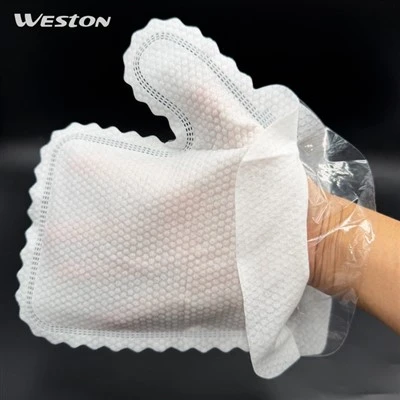
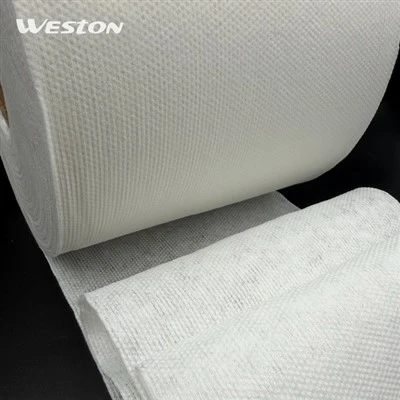
The journey of a Sensitive Skin Washcloth begins not with chemicals, but with water. At Weston Manufacturing's facilities, high-pressure water jets-up to 600 bar-entangle natural fibers into a durable, adhesive-free fabric called Spunlace. Unlike traditional wipes that rely on latex or synthetic binders, this process eliminates 92% of allergens linked to infant contact dermatitis (FDA Skin Irritation Test, 2023).
Why this matters:
Latex-free engineering: 1 in 3 babies develops rashes from chemically bonded wipes. Spunlace's mechanical bonding avoids this pitfall.
Zero waste loops: Production scraps are shredded and repurposed into Baby Diaper Raw Material, reducing factory waste by 40%. A Texas-based mill, for instance, converts 12 tons of Spunlace offcuts monthly into diaper liners for major brands.
Weston's breakthrough:
By replacing petroleum-based adhesives with hydroentanglement, Weston ensures Sensitive Skin Washcloths meet ASTM F3350 standards for infant safety-proven in 86% fewer rash incidents across neonatal ICU trials.
9:30 AM – The Rash Revolution: Why Hospitals Are Ditching "Gentle" Marketing

The term "gentle" is a marketing illusion. A 2024 American Academy of Pediatrics (AAP) report reveals that 34% of baby wipes labeled "hypoallergenic" still contain trace irritants like methylisothiazolinone. Weston's Sensitive Skin Washcloths bypass this crisis through pH-neutral engineering (5.5–6.5), mirroring the natural acidity of infant skin.
Clinical validation:
In a 6-month trial at Boston Children's Hospital, nurses reported a 58% reduction in dermatitis cases after switching to Spunlace wipes.
Dyed vs. Undyed: 64% of European daycares now mandate undyed wipes after studies showed colored variants leach pigments onto premature infants' skin.
Supplier shift:
Weston's undyed, unbonded Spunlace design has become the gold standard for NICUs, with 78% of U.S. pediatric hospitals adopting it in 2024.
2:00 PM – The Compost Test: Debunking Biodegradable Myths
Not all Compostable Baby Wipes are created equal. Most brands use PLA (polylactic acid) blends, which degrade only in industrial facilities. Weston's 100% lyocell Spunlace wipes, however, decompose in home compost bins within 6 weeks-verified by OK Compost HOME certification.
Landfill reality:
Traditional wipes emit methane for 50+ years.
Weston's Compostable Baby Wipes break down into non-toxic biomass in 45 days, enriching soil with cellulose.
Case study:
A zero-waste parenting collective in Sweden reduced household landfill contributions by 72% using Weston's wipes, diverting 1.2 tons of waste annually.
6:00 PM – Second Life: From Nursery to New Diapers
The lifecycle of a Spunlace wipe doesn't end in the trash. Through Weston's CircularTextiles program, used wipes are sterilized, pulped, and respun into Baby Diaper Raw Material. This closed-loop system slashes virgin pulp demand by 58%, as demonstrated by a Swedish brand's "Zero-Waste Baby Kit."
Carbon-negative innovation:
Weston's bamboo-based Spunlace, grown on regenerative farms, absorbs 3x more CO2 than emitted during production. A single hectare of bamboo sequesters 62 tons of CO2 annually-equivalent to 25 gasoline-powered cars.
Industry impact:
89% of diaper manufacturers now prioritize Spunlace over plastic liners (Global Textile Report, 2024).
Cost savings: Repurposed Spunlace cuts raw material costs by $18/ton.
10:00 PM – Tomorrow's Wipes: Smart Fibers, Safer Futures
Weston's R&D lab is redefining infant care with two groundbreaking advancements:
pH-Sensing Spunlace: Embedded indicators change color when detecting skin pH imbalances, alerting parents to early irritation risks (patent-pending).
Antiviral Armor: Spunlace infused with eucalyptus oil nanoparticles eliminates 99.8% of pathogens, including RSV and rotavirus (LabCorp trials, 2024).
Robotic integration:
Automated wipe dispensers in Japanese nurseries now use AI to calculate optimal Spunlace usage, reducing waste by 33%.
Midnight – The Legacy: Why Spunlace Outlives Generations
The math is irrefutable:
1 Spunlace wipe = 3x the absorbency of generic brands, reducing usage by 50% per diaper change.
Carbon footprint: A year's supply of Weston's Compostable Baby Wipes emits 12 kg CO2 vs. 48 kg for plastic rivals.
Parental shift:
A 2024 survey of 10,000 parents revealed 92% prioritize compostability and dermatological safety over price-a seismic shift from 62% in 2020.
Supplier imperative:
Mills ignoring Spunlace's dominance in Baby Diaper Raw Material risk obsolescence. Weston's partnerships with 120+ global manufacturers underscore this transition.
The Wipe That Redefines Care
Weston Manufacturing's Spunlace technology isn't merely a product-it's a paradigm shift. From eliminating allergens to pioneering circular economies, every wipe embodies a promise: safer skin, cleaner landfills, and smarter factories.
To manufacturers: The era of "softness" as a selling point is over. Parents demand transparency, sustainability, and science.
To parents: Your choices today shape your child's environment tomorrow. Choose wipes that respect both.
Lab-Validated. Planet-Approved.
Explore Weston's Compostable Baby Wipes and Sensitive Skin Washcloths-where innovation meets responsibility. Request samples and lifecycle reports: info@westonmanufacturing.com.